Report an issue
Tell us what's wrong and we'll take a look.
Thanks – we got it. We'll review and follow up if needed.
“Charming, delightful, and a great companion for gardeners and naturalists alike.”—Booklist
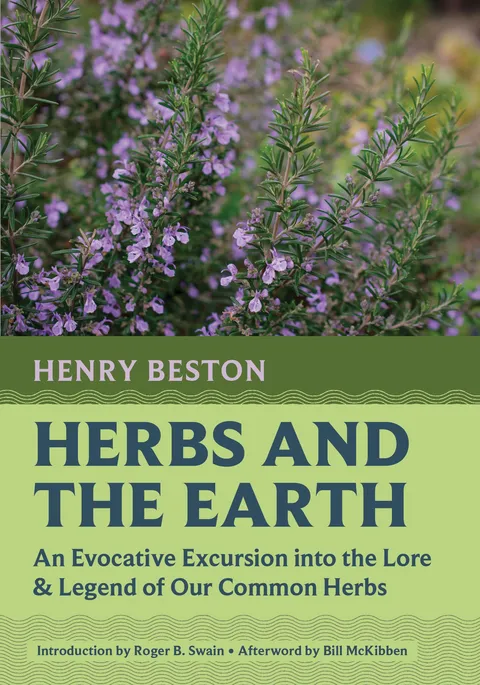
Lavender, basil, hyssop, balm, sage, rue — the thinking gardener’s guide to herbs.
Writer/naturalist Henry Beston, a founding father of the environmental movement, believed that a strong connection to nature is essential. “It is only when we are aware of the earth and of the earth as poetry that we truly live,” Beston says in his now-classic Herbs and the Earth. In this book, Beston shares one of those connections as seen through the oldest group of plants known to gardeners.
“A garden of herbs,” he writes, “is a garden of things loved for themselves in their wholeness and integrity. It is not a garden of flowers, but a garden of plants which are sometimes very lovely flowers and are always more than flowers.” Whether you are already a committed herbalist or just dreaming of planting your first small garden, this book is a powerfully rich source of inspiration and information. As Roger B. Swain observes in his moving introduction, Herbs and the Earth has an intensity that evokes the herbs themselves, as if, pressed between the pages, their aroma has seeped into the pages.
This Nonpareil edition includes both an introduction by Roger B. Swain and an afterword by Bill McKibben.
Henry Beston
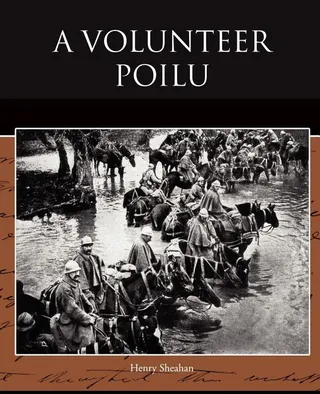
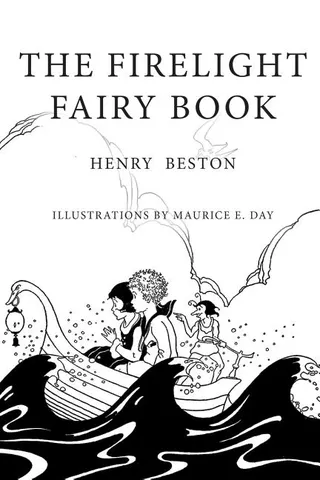
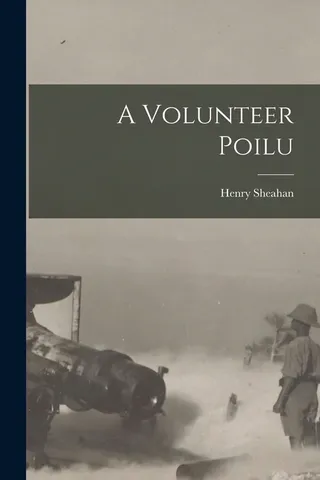
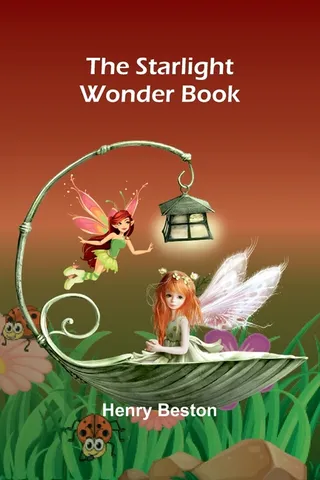
Henry Beston was born and raised in Quincy, Massachusetts. He attended Adams Academy before earning his BA in 1909 and MA in 1911 from Harvard College. In 1912, Beston taught at the University of Lyon. He joined the French army in 1915 and served as an ambulance driver during World War I. His service in Bois-le-Prêtre and at the Battle of Verdun was described in his first book, A Volunteer Poilu. In 1918, Beston became a press representative for the US Navy. He was the only American correspondent to travel with the British Grand Fleet aboard an American destroyer during combat engagement and sinking. His second book of journalistic work, Full Speed Ahead, describes these experiences. After WWI, Beston began writing fairy tales. In 1919, The Firelight Fairy Book was published, followed by The Starlight Wonder Book in 1923. During this time, he worked as an editor of Living Age, an offshoot of the Atlantic Monthly. He also met his wife, Elizabeth Coatsworth, a fellow author of children’s literature with whom he had two daughters, Margaret and Catherine. They lived at Hingham, Massachusetts, and Chimney Farm in Nobleboro, Maine.
More by Henry Beston


Why Readwise Books?
Readwise Books is an ebook & audiobook platform that automatically logs how much you and your friends read, making it fun and easy to read more. Learn more →