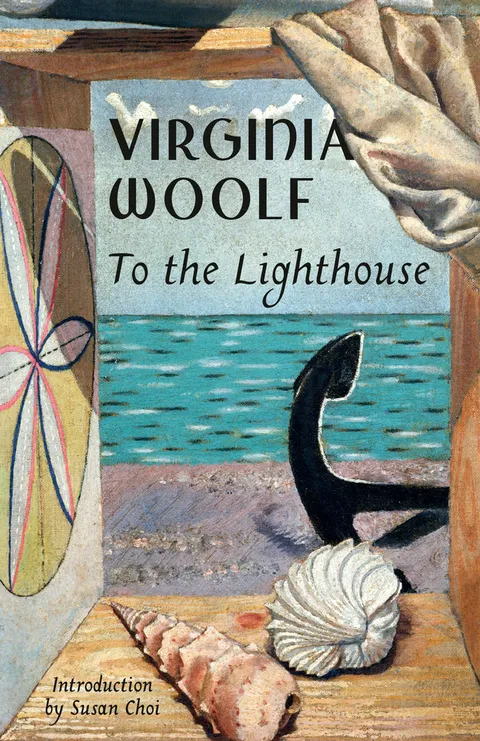
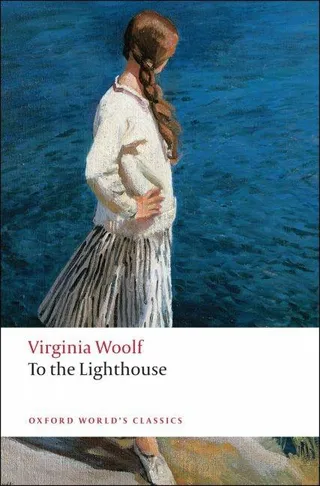
To the Lighthouse
Report an issue
Tell us what's wrong and we'll take a look.
Thanks – we got it. We'll review and follow up if needed.
"Without question one of the two or three finest novels of the twentieth century. Woolf comments on the most pressing dramas of our human predicament: war, mortality, family, love." -Rick Moody, bestselling author of The Ice Storm
The enduring power of this iconic classic flows from the brilliance of its narrative technique and the impressionistic beauty of its prose. Though the novel turns on the death of its central figure, Mrs. Ramsay, her presence pervades every page in a poetic evocation of loss and memory that is also a celebration of domestic life and its most intimate details. Observed across the years at their vacation house on the Isle of Skye, Mrs. Ramsay and her family seek to recapture meaning from the flux of things and the passage of time. To the Lighthouse enacts a moving allegory of the creative consciousness and its momentary triumphs over fleeting material life.
Virginia Woolf
Virginia Woolf (1882–1941), an English modernist, has been heralded as one of the greatest female writers of all time. In 1915, she published her first novel, The Voyage Out, which became known for its peculiar narrative perspectives and free-association prose. She followed this up with several famous novels such as Mrs. Dalloway and Jacob’s Room, as well as the feminist essay A Room of One’s Own. Woolf suffered from depression and committed suicide in 1941.
More by Virginia Woolf


Why Readwise Books?
Readwise Books is an ebook & audiobook platform that automatically logs how much you and your friends read, making it fun and easy to read more. Learn more →