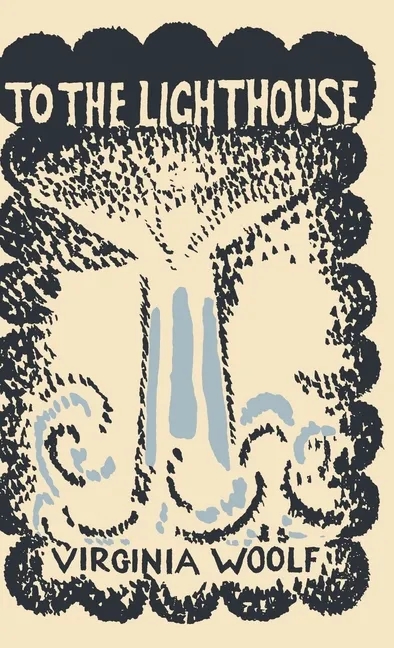
To the Lighthouse
Report an issue
Tell us what's wrong and we'll take a look.
Thanks – we got it. We'll review and follow up if needed.
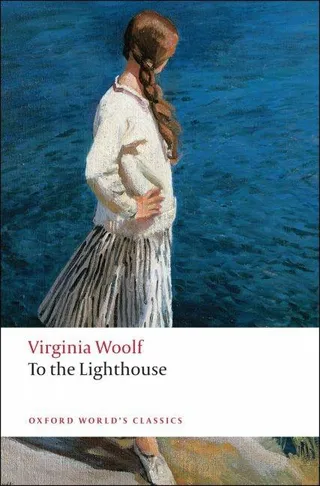
From English writer Virginia Woolf, To the Lighthouse explores the relationships and inner thoughts of a family on their visits to the Isle of Sky in Scotland. Considered a benchmark of the modernist tradition, the novel makes experimental use of third-person narration and subjective language. Woolf uses the postponement of a family trip to a nearby lighthouse to flush out the characters and the everyday discomforts and joys of existence. The novel explores the themes of time, memory, and the passage of life, as well as the inner conflicts in relationships and families. To the Lighthouse is often ranked as one of the greatest English-language books ever written.
Virginia Woolf
Virginia Woolf was born in 1882, the youngest daughter of the Victorian writer Leslie Stephen. After her father's death, Virginia moved with her sister Vanessa (later Vanessa Bell) and two of her brothers, to 46 Gordon Square, which was to be the first meeting place of the Bloomsbury Group. Virginia married Leonard Woolf in 1912, and together they established the Hogarth Press. Virginia also published her first novel, The Voyage Out, in 1912, and she subsequently wrote eight more, several of which are considered classics, as well as two books of seminal feminist thought. Woolf suffered from mental illness throughout her life and committed suicide in 1941.
More by Virginia Woolf



Why Readwise Books?
Readwise Books is an ebook & audiobook platform that automatically logs how much you and your friends read, making it fun and easy to read more. Learn more →