Report an issue
Tell us what's wrong and we'll take a look.
Thanks – we got it. We'll review and follow up if needed.
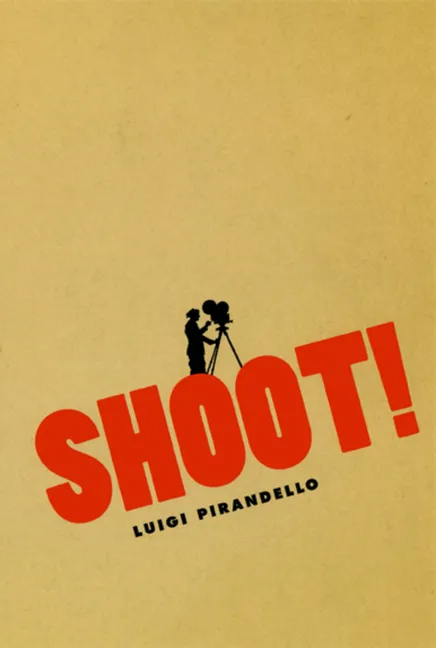
Shoot!, presented here in its 1927 English translation, is a classic example of Nobel Prize-winning Sicilian playwright Luigi Pirandello's (1867-1936) literary talent and genius for blurring the line between art and reality. From the film studio Kosmograph, Pirandello's Gubbio steadily winds the crank of his camera by day and scribbles with his pen by night, revealing the world both mundane and melodramatic that unfolds in front of his camera. Through Gubbio's narrative-saturated with fantasy and folly-Pirandello grapples with the philosophical implications of modernity. Like much of Pirandello's work, Shoot! parodies human weaknesses, drawing attention to the themes of isolation and madness as emerging tendencies in the modern world.
Enhanced by new critical commentaries, Shoot! is an entertaining caricature, capturing early twentieth-century Italian filmmaking and revealing its truths as only a parody can.
Luigi Pirandello
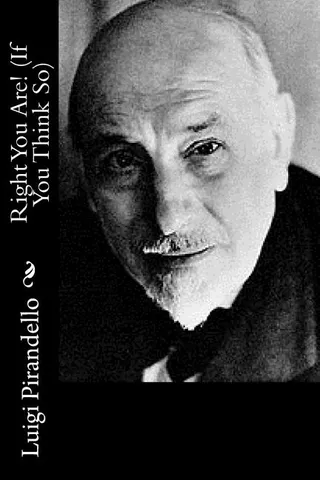
Luigi Pirandello was an influential Italian dramatist, novelist, poet, and short story writer, best known for his pioneering work in the theater. Born on June 28, 1867, in Agrigento, Italy, Pirandello's writing was deeply influential in the realm of modern drama. His works often explored complex themes such as the nature of identity, the relationship between reality and illusion, and the blurred boundaries between art and life. Pirandello's distinctive approach to theater and narrative earned him the 1934 Nobel Prize in Literature, awarded "for his bold and ingenious revival of dramatic and scenic art." He was married to Antonietta Portulano, with whom he had three children: Stefano, Fausto, and Lietta. Pirandello's legacy extends beyond literature, with his works inspiring numerous film adaptations, including Kaos and The Former Mattia Pascal. He passed away on December 10, 1936, in Rome, at the age of 69. Pirandello's profound influence on theater continues to resonate today, with his exploration of existential questions and theatrical experimentation leaving a lasting mark on the field.
More by Luigi Pirandello






Why Readwise Books?
Readwise Books is an ebook & audiobook platform that automatically logs how much you and your friends read, making it fun and easy to read more. Learn more →