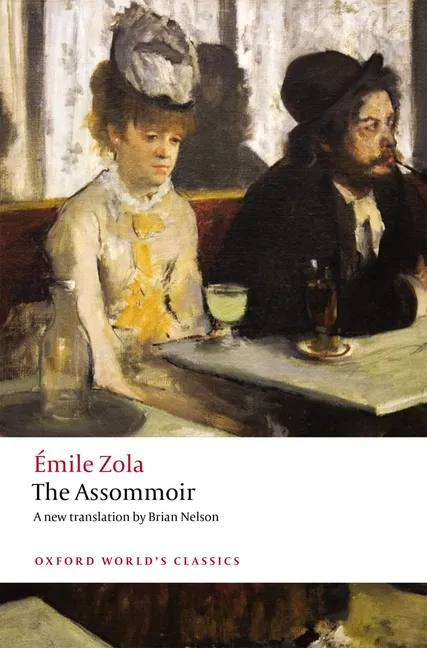
The Assommoir
Report an issue
Tell us what's wrong and we'll take a look.
Thanks – we got it. We'll review and follow up if needed.
In a run-down quarter of Paris, Gervaise Macquart struggles to earn a living and support her family. She earns a pittance washing other people's dirty clothes in the local washhouse, and dreams of having her own laundry. But in order to start her business she must incur debt, and her feckless husband cannot resist the lure of the Assommoir, the local bar that supplies all the working men with cheap spirits and absinthe. As her money troubles grow, so Gervaise's life begins to spiral out of control, and she is trapped in a vicious web of want and neglect.
The Assommoir is a pivotal novel in Zola's Rougon-Macquart series. In it he lays bare the terrible poverty of the Parisian underclass, living in overcrowded tenements, addicted to drink, a world of squalor, and casual violence. It contains some of Zola's most powerful and graphic writing, unforgettable portrayals of individuals and their environment, and the fine line between self-respect and ruin.
Émile Zola
French author, journalist, dramatist, and founder of the naturalism literary movement, Zola also wrote plays. He played a significant role in both Alfred Dreyfus' exoneration and the political liberalisation of France. Dreyfus had been wrongfully charged and imprisoned as an army commander. In 1901 and 1902, Zola was a candidate for the Nobel Prize in Literature. Zola was born in Paris on April 2, 1840, to François Zola and Emilie Aubert. Before becoming a writer, he was a law student who twice failed the baccalaureate. In his formative years, Zola produced a large number of short stories, essays, plays, and novels. Hachette fired Zola from his position as director of the Paris Opera in 1864 after the release of his scandalous autobiographical book La Confession de Claude (1865), which attracted the attention of the authorities. Zola became a citizen of France in 1862. He met the seamstress Éléonore-Alexandrine Meley, also known as Gabrielle, in 1865, and she eventually became his mistress. On September 29, 1902, Francois Zola died from carbon monoxide poisoning brought on by a poorly ventilated chimney. At the time of his death, he was working on the sequel to his recently published book Vérité, which is about the Dreyfus trial.
More by Émile Zola
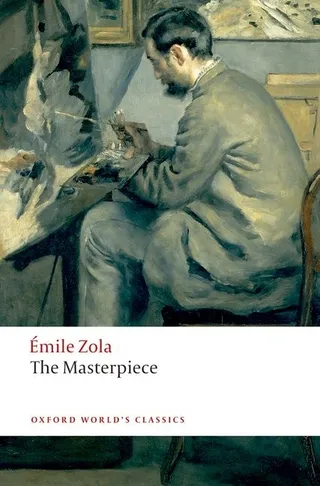

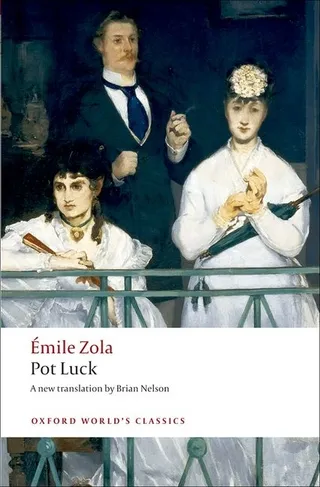
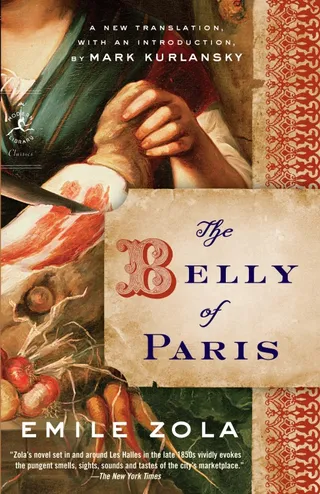
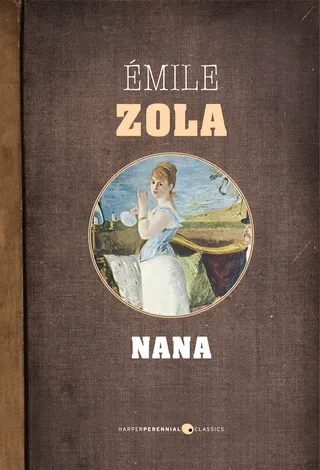
Brian Nelson
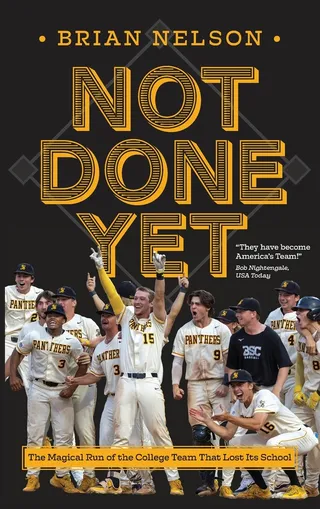
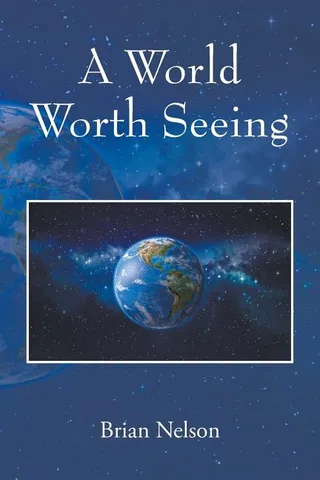
Brian Nelson is a lifelong baseball fan, former player, and dedicated coach whose love for the game spans generations. A pitcher at the University of California, Santa Barbara in the 1980s, he later coached his three sons and their teammates through Little League, high school, and college. Drawing inspiration from a deeply literary family-especially his grandfather and mother-Nelson brings an analyst's brain, a storyteller's heart, and impressive baseball knowledge to his writing. After a multi-decade career in finance, he has returned to his earliest passion to tell this story. This is his first book.
More by Brian Nelson





















Why Readwise Books?
Readwise Books is an ebook & audiobook platform that automatically logs how much you and your friends read, making it fun and easy to read more. Learn more →