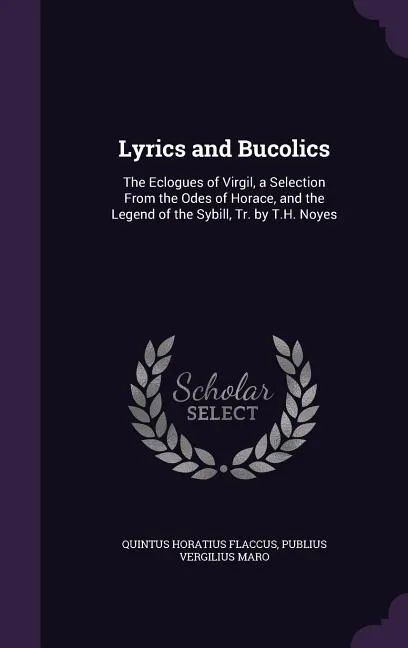
Lyrics and Bucolics
The Eclogues of Virgil, a Selection From the Odes of Horace, and the Legend of the Sybill, Tr. by T.H. Noyes
Report an issue
Tell us what's wrong and we'll take a look.
Thanks – we got it. We'll review and follow up if needed.
This work has been selected by scholars as being culturally important, and is part of the knowledge base of civilization as we know it. This work was reproduced from the original artifact, and remains as true to the original work as possible. Therefore, you will see the original copyright references, library stamps (as most of these works have been housed in our most important libraries around the world), and other notations in the work.
This work is in the public domain in the United States of America, and possibly other nations. Within the United States, you may freely copy and distribute this work, as no entity (individual or corporate) has a copyright on the body of the work.
As a reproduction of a historical artifact, this work may contain missing or blurred pages, poor pictures, errant marks, etc. Scholars believe, and we concur, that this work is important enough to be preserved, reproduced, and made generally available to the public. We appreciate your support of the preservation process, and thank you for being an important part of keeping this knowledge alive and relevant.
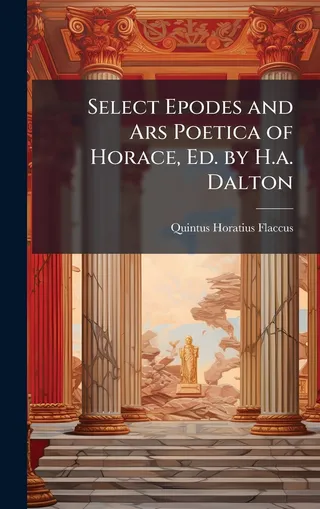
Quintus Horatius Flaccus
Horatius Flaccus, a celebrated Roman poet of the Augustan age, is best known for his seminal work "Life: Its True Genesis." In this masterpiece, Flaccus explores the intricacies of human existence, delving into the profound mysteries of birth, growth, and mortality. Through elegant verse and keen observation, Flaccus offers readers a contemplative journey into the essence of life itself, examining its true origins and fundamental nature. With poetic insight, he unveils the interconnectedness of all living beings, drawing parallels between the cycles of nature and the evolution of the soul. "Life: Its True Genesis" serves as a timeless reflection on the human condition, weaving together themes of love, loss, and the pursuit of meaning. Flaccus' lyrical prose invites readers to ponder the universal truths inherent in the human experience, transcending the boundaries of time and culture. With its depth of insight and poetic beauty, Flaccus' magnum opus continues to resonate with readers across generations, offering solace, inspiration, and a renewed appreciation for the enigmatic journey we call life.
More by Quintus Horatius Flaccus



Publius Vergilius Maro
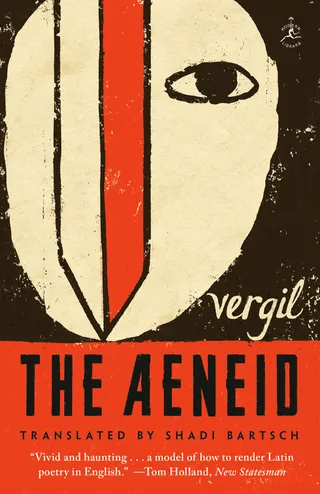
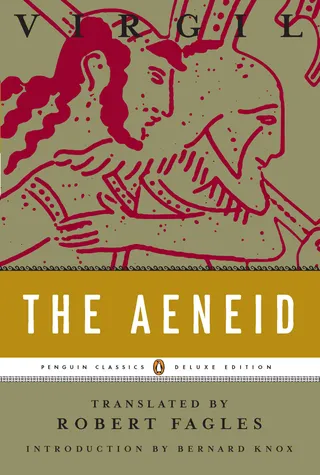
Virgil (Publius Vergilius Maro) was an ancient Roman poet who wrote during the reign of Augustus, the first Roman emperor. In addition to his epic poem Aeneid, Virgil’s Ecolgues (Bucolics) and Georgics are recognized as major works of Latin literature, and have been studied, adapted, imitated, and copied by later poets and scholars. Virgil’s poetry has also had a lasting influence on Western literature, inspiring countless works including Dante’s Divine Comedy, in which Virgil guides Dante through Hell and Purgatory.
More by Publius Vergilius Maro






Why Readwise Books?
Readwise Books is an ebook & audiobook platform that automatically logs how much you and your friends read, making it fun and easy to read more. Learn more →