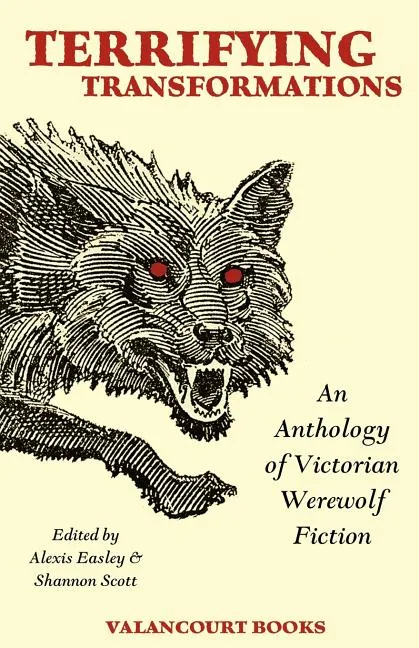
Terrifying Transformations
An Anthology of Victorian Werewolf Fiction, 1838-1896
Report an issue
Tell us what's wrong and we'll take a look.
Thanks – we got it. We'll review and follow up if needed.
This collection brings together fifteen chilling stories of lycanthropy and murder written from 1838 to 1896, all taken from their original appearances in Victorian periodicals and story collections, many of them reprinted here for the first time. This edition includes a new introduction by Alexis Easley and Shannon Scott, explanatory notes, and numerous rare Victorian werewolf illustrations.
This collection contains: "Hugues, the Wer-Wolf" (1838) by Sutherland Menzies, "The White Wolf of the Hartz Mountains" (1839) by Frederick Marryat, "A Story of a Weir-Wolf" (1846) by Catherine Crowe, excerpts from Wagner, the Wehr-Wolf (1846-47) by George W. M. Reynolds, "Lycanthropy in London; or, The Wehr-Wolf of Wilton-Crescent" (1855) by Dudley Costello, "The Gray-Wolf" (1871) by George MacDonald, "The Were-wolf of the Grendelwold" (1882) by F. Scarlett Potter, "The White Wolf of Kostopchin" (1889) by Gilbert Campbell, "A Pastoral Horror" (1890) by Arthur Conan Doyle, "The Mark of the Beast" (1890) by Rudyard Kipling, "The Were-Wolf" (1890) by Clemence Housman, "Dracula's Guest" (ca. 1892) by Bram Stoker, "The Other Side: A Breton Legend" (1893) by Eric Stenbock, "Morraha" (1894) by Joseph Jacobs, and "Where There is Nothing, There is God" (1896) by William Butler Yeats. An appendix of contextual materials is also included, featuring nonfiction articles from Victorian periodicals dealing with lycanthropy, Rosamund Marriott Watson's poem "A Ballad of the Were-wolf" (1891), excerpts from Sabine Baring-Gould's The Book of Were-Wolves (1865) and Laurence Housman's illustrations for Clemence Housman's The Were-wolf (1896).
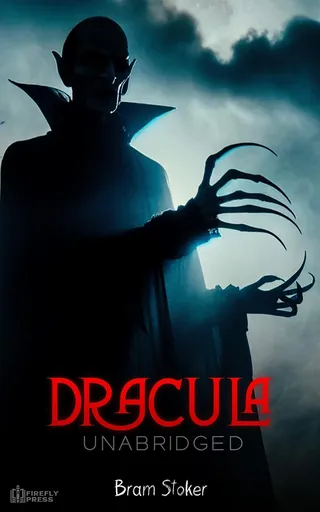
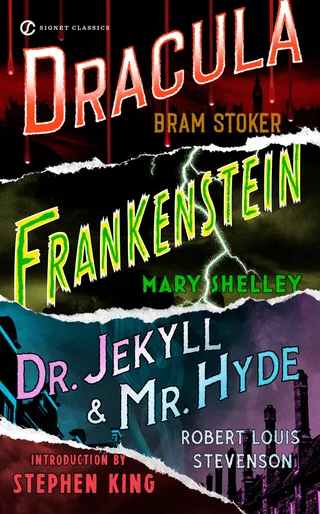
Bram Stoker
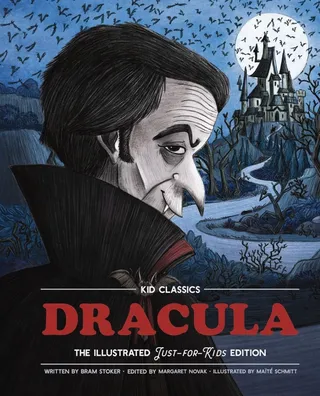
Bram Stoker (1847–1912) grew up in Ireland listening to his mother's tales of blood-drinking fairies and vampires rising from their graves. He later managed the Lyceum Theatre in London and worked as a civil servant, newspaper editor, reporter, and theater critic. Dracula, his best-known work, was published in 1897 and is hailed as one of the founding pieces of Gothic literature.
More by Bram Stoker
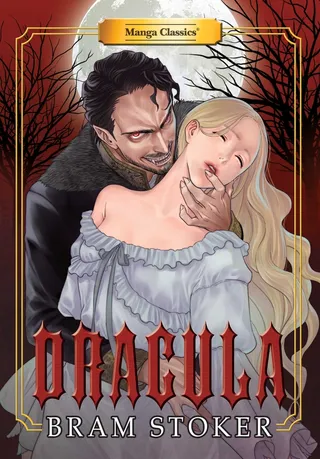
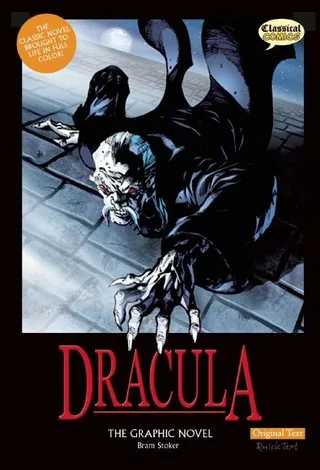
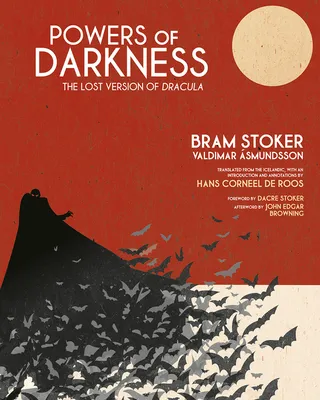
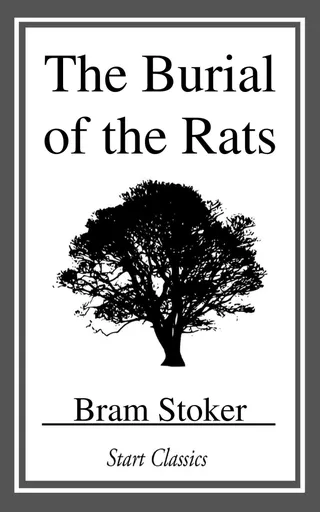
Arthur Conan Doyle
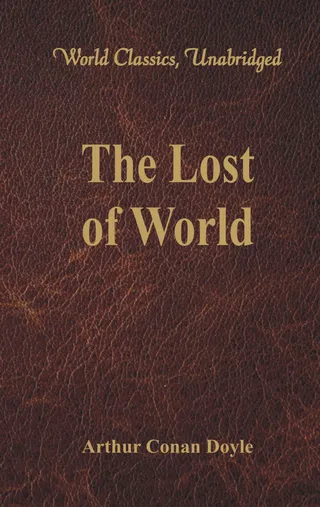
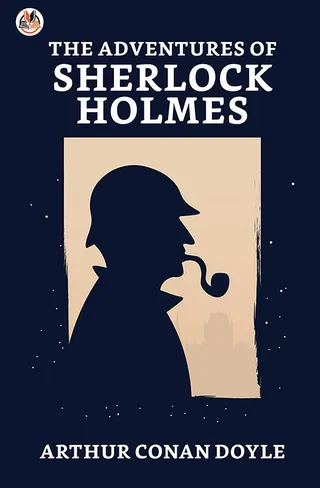
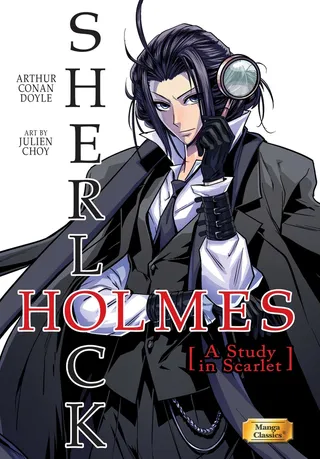
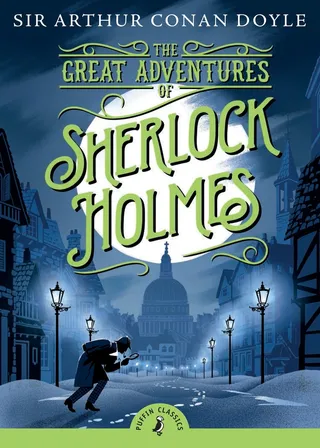
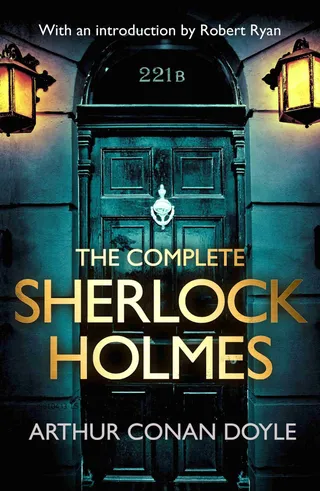
Arthur Conan Doyle was born in 1859. He trained to be a doctor at Edinburgh University and eventually set up a medical practice in Southsea. During the quiet periods between patients, he turned his hand to writing, producing historical novels such as Micah Clarke and adventure yarns including The Lost World, as well as four novels and fifty-six stories involving his most celebrated creations, Sherlock Holmes and Dr Watson. Doyle was knighted in 1902. In later life he devoted much of his time to his belief in Spiritualism, using his writing and celebrity as a means of providing funds to support activities in this field. He died in 1930.
More by Arthur Conan Doyle
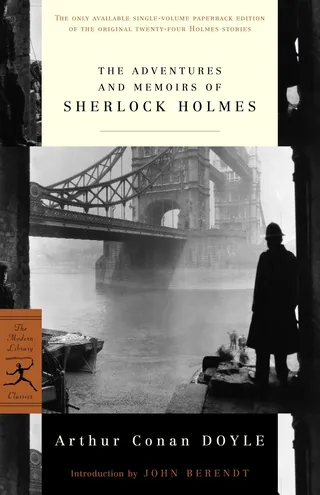
Rudyard Kipling
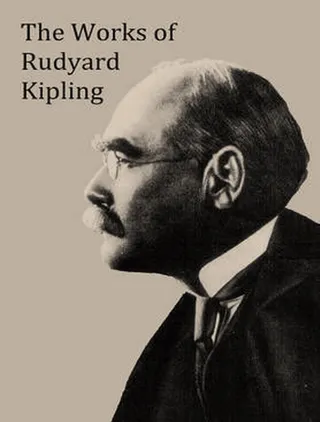
Rudyard Kipling was born in Bombay (now known as Mumbai), India, but returned with his parents to England at the age of five. Among Kipling’s best-known works are The Jungle Book, Just So Stories, and the poems “Mandalay” and “Gunga Din.” Kipling was the first English-language writer to receive the Nobel Prize for literature (1907) and was among the youngest to have received the award.
More by Rudyard Kipling




Why Readwise Books?
Readwise Books is an ebook & audiobook platform that automatically logs how much you and your friends read, making it fun and easy to read more. Learn more →