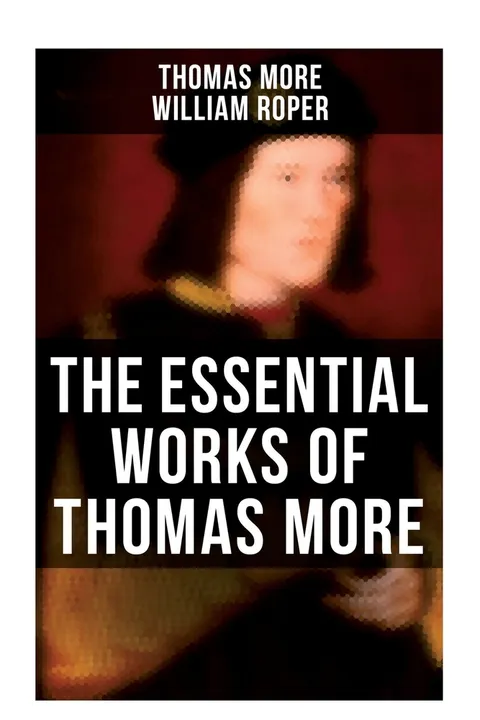
The Essential Works of Thomas More
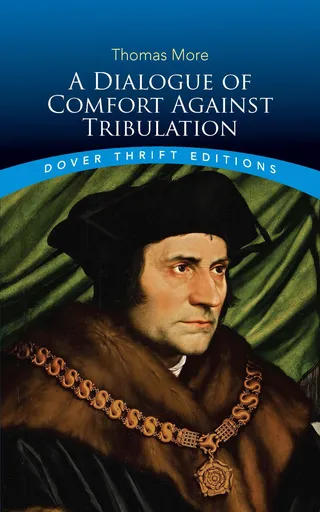
Essays, Prayers, Poems, Letters & Biographies: Utopia, the History of King Richard III, Dialogue of Comfort Against Tribulation
Report an issue
Tell us what's wrong and we'll take a look.
Thanks – we got it. We'll review and follow up if needed.
The Essential Works of Thomas More offers an expansive examination of the myriad themes that More explored, showcasing a distinctive blend of political thought, religious doctrine, and humanist belief. This anthology deftly highlights the range of literary styles--from the satirical prose of 'Utopia' to the solemnity of treatises, letters, and dialogues--reflecting More's place in the rich tapestry of Renaissance literature. The collection stands as a testament to his profound influence, with standout pieces prompting deep reflection on societal structures, ethics, and individual conscience, all seamlessly woven together for an engaging reading experience. The contributing editors, including William Roper, who provide insights into More's contributions, collectively illuminate his enduring legacy within historical and cultural contexts. By aligning the anthology with the humanist renaissance that swept through Europe, these editors capture the dynamic interplay between More's works and the socio-political currents of his time. The inclusion of Roper, a close contemporary of More, ensures that the depictions carry an authenticity and intimacy, allowing readers to engage with the philosophical underpinnings of More's oeuvre through the multifaceted lenses of those who knew him best. A must-read for both enthusiasts of Renaissance thought and newcomers alike, this anthology invites readers to engage with the complexity and depth of More's contributions. This collection not only provides a comprehensive insight into the era's pivotal intellectual movements but also cultivates a deeper appreciation for the dialogue between past and present ideations. Ideal for educational purposes, it presents an invaluable opportunity to explore the diverse perspectives that shaped and continue to influence Western philosophical and political discourse.
Thomas More
Thomas More balanced public duty with deep moral conviction, leaving a legacy shaped by intellect and principle. Born in 1478 in London, he rose to become a lawyer, scholar, and Lord Chancellor under Henry VIII before his dramatic fall from favor. A philosophy grounded in conscience, faith, and humanist ideals guided his life, often placing moral truth above political power.Intellectual curiosity and social critique define the heart of his work. In works such as Utopia, he crafted a cohesive and fluid vision of an ideal society governed by reason, communal life, and moral order, contrasting it with the injustices of his own time. Thoughtful narrative reveals how justice, discipline, and shared responsibility intertwine, inviting readers to question the structures of society.Enduring influence has made him a central figure in philosophy, politics, and literature. Readers and thinkers across centuries have debated and drawn from his ideas on society, governance, and moral responsibility. Today, his work remains widely read, valued for its insight, courage, and lasting impact on political thought and literary tradition.
More by Thomas More





Why Readwise Books?
Readwise Books is an ebook & audiobook platform that automatically logs how much you and your friends read, making it fun and easy to read more. Learn more →