Report an issue
Tell us what's wrong and we'll take a look.
Thanks – we got it. We'll review and follow up if needed.
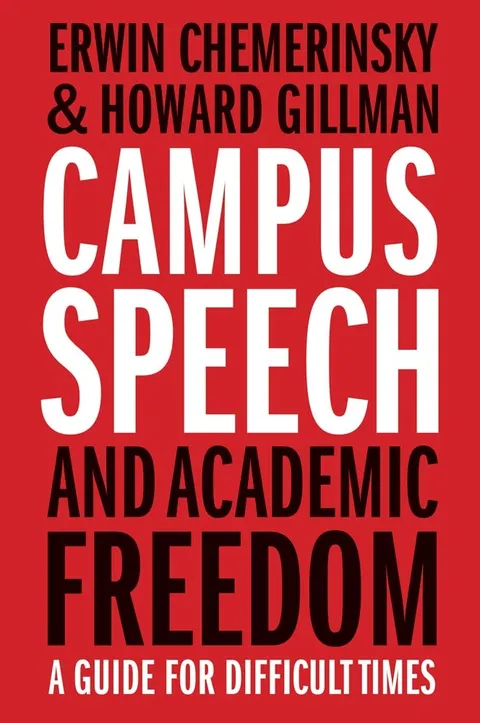
In their earlier book, Free Speech on Campus, Erwin Chemerinsky and Howard Gillman argued that colleges and universities should permit the expression of the widest possible range of views. Nearly ten tumultuous years later, many issues have arisen that this simple principle does not adequately address. To what extent must an institution provide expensive security for extremely controversial speakers? Should colleges and universities defend faculty, students, or administrators who find themselves the victims of social media firestorms? How should they handle the expression of controversial views or the use of offensive language in classrooms? May academic departments or other administrative units--or an entire school--take positions on controversial political issues? What rules should exist around campus protests or disruptive activities? How should we assess government efforts to control faculty speech or curricular choices? In Campus Speech and Academic Freedom, two law professors and university administrators who have confronted these questions for years draw on their extensive real-world experience to help campus leaders, campus communities, government officials, and the public better understand and address the contentious issues surrounding campus speech.
Erwin Chemerinsky
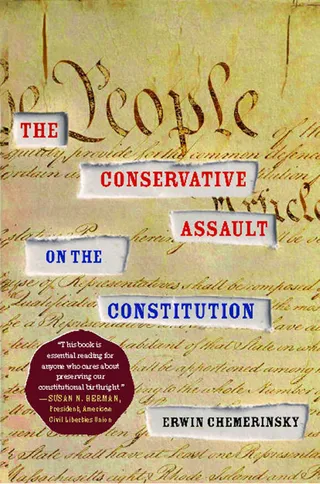
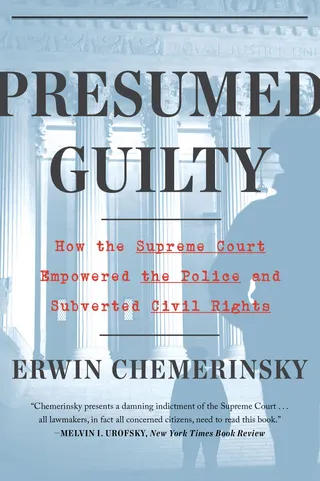
Erwin Chemerinsky is the dean of the University of California, Berkeley, School of Law. The author of Presumed Guilty, The Conservative Assault on the Constitution, and The Case Against the Supreme Court, among many other works, he lives in Oakland, California.
More by Erwin Chemerinsky



Why Readwise Books?
Readwise Books is an ebook & audiobook platform that automatically logs how much you and your friends read, making it fun and easy to read more. Learn more →