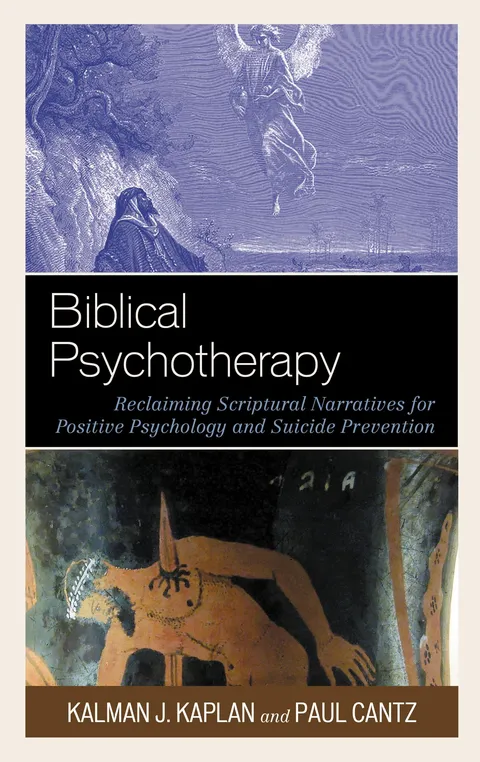
Biblical Psychotherapy
Reclaiming Scriptural Narratives for Positive Psychology and Suicide Prevention
Report an issue
Tell us what's wrong and we'll take a look.
Thanks – we got it. We'll review and follow up if needed.
In Biblical Psychotherapy, Kalman J. Kaplan and Paul Cantz offer a new approach to suicide prevention based on biblical narratives that is designed to overcome the suicidogenic patterns in Greek and Roman stories implicit in modern mental health. More than sixteen suicides and self-mutilations emerge in the twenty-six surviving tragedies of Sophocles and Euripides and countless others occurred in Greek and Roman lives. In contrast, only six suicides are found in the Hebrew Scriptures, in addition to a number of suicide-prevention narratives. Kaplan and Cantz reclaim life-enhancing biblical narratives as alternatives to matched suicidal stories in Greek and Roman society with regard to seven evidence-based risk factors. These biblical narratives are employed to treat fourteen patients fitting into the outlined Graeco-Roman suicidal syndromes and to provide an in-depth positive psychology aimed at promoting life rather than simply preventing suicide.
Kalman J. Kaplan
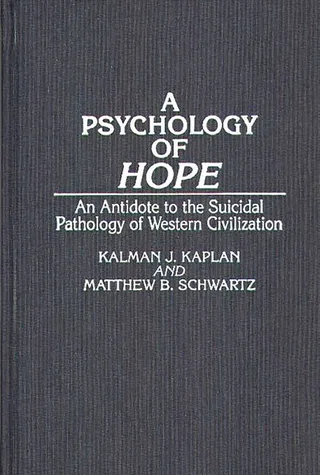
Kalman J. Kaplan is Professor of Psychiatry at the University of Illinois at Chicago College of Medicine. Dr. Kaplan has published fourteen books and many articles and was awarded a grant from The John Templeton Foundation and Fulbright Foundation awards to develop a program in A Biblical Approach to Mental Health. Among Dr. Kaplan's books are Right to Die versus Sacredness of Life, The Fruit of Her Hands, A Psychology of Hope and Living Biblically.
More by Kalman J. Kaplan







Paul Cantz
Paul Cantz is associate professor at Adler University and clinical assistant professor in the Department of Psychiatry at the University of Illinois, College of Medicine at Chicago.


Why Readwise Books?
Readwise Books is an ebook & audiobook platform that automatically logs how much you and your friends read, making it fun and easy to read more. Learn more →