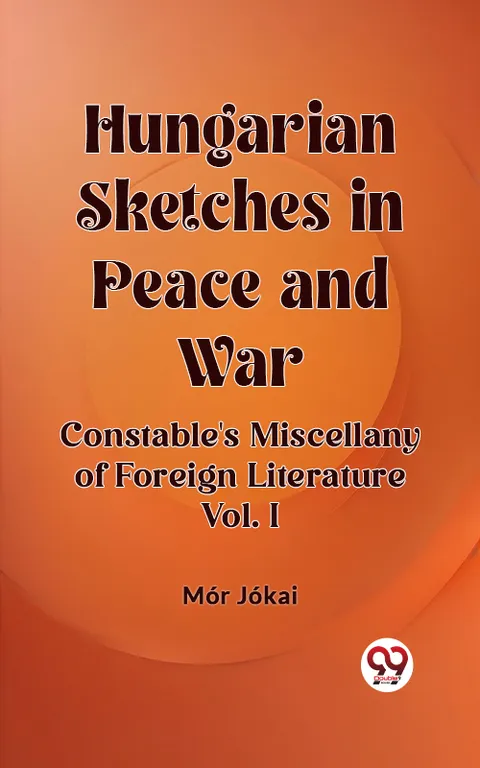
Hungarian Sketches in Peace and War Constable's Miscellany of Foreign Literature Vol. I
Report an issue
Tell us what's wrong and we'll take a look.
Thanks – we got it. We'll review and follow up if needed.
"Hungarian Sketches in Peace and War: Constable's Miscellany of Foreign Literature VOL. I" by Mór Jókai stands as a captivating blend of historical fiction and cultural exploration, offering a glimpse into the rich tapestry of Hungarian literature. Through a collection of sketches and stories, Jókai navigates the complex interplay between peace and war, illuminating the nuances of Hungarian society and national identity. Set against both peaceful and wartime backdrops, Jókai's tales provide poignant insights into the social fabric of Hungary, capturing moments of tranquility as well as the tumultuous upheavals of conflict. With a keen eye for detail, Jókai crafts vivid depictions of peaceful settings contrasted with the harsh realities of war, offering readers a panoramic view of Hungarian life and history. Throughout the narrative, Jókai weaves elements of social commentary, exploring themes of resilience, identity, and the human experience amidst historical turmoil. His literary miscellany encompasses a diverse array of historical sketches, each offering a unique perspective on Hungarian culture and society. As part of Constable's Miscellany of Foreign Literature, Jókai's work represents a treasure trove of translated literature, providing readers with an invaluable glimpse into Hungarian literature and its broader significance on the global stage.
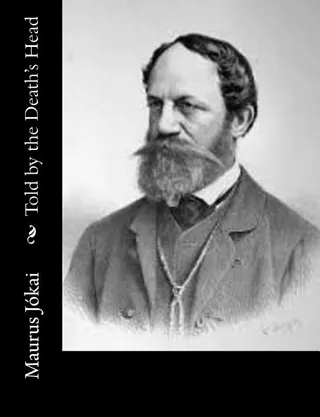
Mor Jokai
Mór Jókai, also known as Maurice Jókai, Maurus Jókai, or Mauritius Jókai, was a Hungarian novelist, dramatist, and revolutionary leader. Born on February 18, 1825, in Komárom, Hungary, Jókai is considered one of the most influential writers in Hungarian literature. His literary work includes historical novels, adventure stories, and plays, often reflecting the political upheavals of his time. He played a significant role in the Hungarian Revolution of 1848, which deeply influenced his worldview on freedom and national identity. Jókai's works, such as The Green Book and Timar's Two Worlds, delve into complex social and political themes, often set against rich and imaginative backdrops. Alongside his writing, Jókai was actively involved in the Hungarian political scene, particularly during the 1848 revolution. He was married twice, first to the actress Róza Laborfalvi, and later to Bella Nagy. He had one daughter, Róza Jókai. Jókai passed away on May 5, 1904, in Budapest, leaving behind a legacy that endures both through his literary contributions and his impact on Hungary's history.
More by Mor Jokai


Why Readwise Books?
Readwise Books is an ebook & audiobook platform that automatically logs how much you and your friends read, making it fun and easy to read more. Learn more →