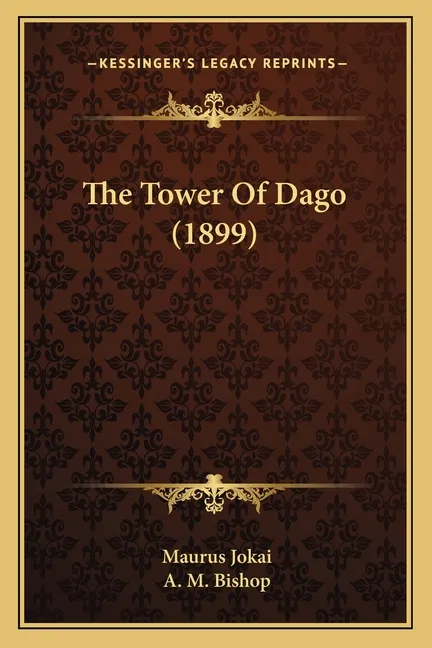
The Tower Of Dago (1899)
Report an issue
Tell us what's wrong and we'll take a look.
Thanks – we got it. We'll review and follow up if needed.
The Tower of Dago is a novel written by Hungarian author Maurus Jokai and published in 1899. The story takes place in the 16th century and follows the adventures of a young nobleman named Miklos Toldi. Miklos is on a quest to find the legendary treasure of the Tower of Dago, which is said to be guarded by a powerful and evil sorcerer.Along the way, Miklos meets a variety of characters, including a beautiful young woman named Ilona, who becomes his love interest. He also encounters a band of gypsies, a group of monks, and a wise old hermit who helps him on his journey.As Miklos gets closer to the Tower of Dago, he must use all his wit and courage to overcome the obstacles in his path, including the sorcerer's deadly traps and minions. The final showdown between Miklos and the sorcerer is a thrilling climax to the story.The Tower of Dago is a classic adventure tale that blends elements of romance, fantasy, and action. It is a timeless story that has captivated readers for over a century and continues to be enjoyed by audiences today.This scarce antiquarian book is a facsimile reprint of the old original and may contain some imperfections such as library marks and notations. Because we believe this work is culturally important, we have made it available as part of our commitment for protecting, preserving, and promoting the world's literature in affordable, high quality, modern editions, that are true to their original work.
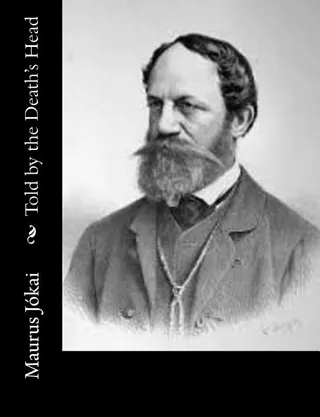
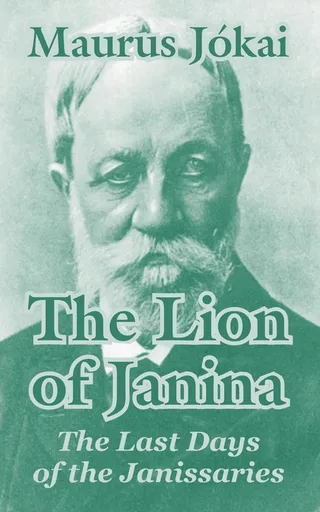
Maurus Jokai
Mór Jókai, also known as Maurice Jókai, Maurus Jókai, or Mauritius Jókai, was a Hungarian novelist, dramatist, and revolutionary leader. Born on February 18, 1825, in Komárom, Hungary, Jókai is considered one of the most influential writers in Hungarian literature. His literary work includes historical novels, adventure stories, and plays, often reflecting the political upheavals of his time. He played a significant role in the Hungarian Revolution of 1848, which deeply influenced his worldview on freedom and national identity. Jókai's works, such as The Green Book and Timar's Two Worlds, delve into complex social and political themes, often set against rich and imaginative backdrops. Alongside his writing, Jókai was actively involved in the Hungarian political scene, particularly during the 1848 revolution. He was married twice, first to the actress Róza Laborfalvi, and later to Bella Nagy. He had one daughter, Róza Jókai. Jókai passed away on May 5, 1904, in Budapest, leaving behind a legacy that endures both through his literary contributions and his impact on Hungary's history.
More by Maurus Jokai



Why Readwise Books?
Readwise Books is an ebook & audiobook platform that automatically logs how much you and your friends read, making it fun and easy to read more. Learn more →