The History Of King Richard The Third
Report an issue
Tell us what's wrong and we'll take a look.
Thanks – we got it. We'll review and follow up if needed.
""The History of King Richard the Third"" is a historical biography written by Sir Thomas More in the 16th century. The book is a detailed account of the life and reign of King Richard III of England, who ruled from 1483 to 1485. The biography covers Richard's rise to power, his controversial ascension to the throne, his reign as king, and his eventual downfall at the Battle of Bosworth Field. More's account of Richard III is often considered biased, as he was a supporter of the Tudor dynasty, who overthrew Richard III and established their own reign. Nevertheless, the book provides valuable insights into the political and social climate of 15th century England, as well as the character and actions of one of England's most controversial monarchs.For Richarde the Duke of Gloucester, by nature theyr Uncle, by office theire protectoure, to theire father beholden, to them selfe by othe and allegyaunce bownden, al the bandes broken that binden manne and manne together, withoute anye respecte of Godde or the worlde, unnaturallye contriued to bereue them, not onelye their dignitie, but also their liues. But forasmuche as this Dukes demeanoure ministreth in effecte all the whole matter whereof this booke shall entreate, it is therefore conueniente, sommewhat to shewe you ere we farther goe, what maner of manne this was, that could fynde in his hearte, so muche mischiefe to conceiue.This scarce antiquarian book is a facsimile reprint of the old original and may contain some imperfections such as library marks and notations. Because we believe this work is culturally important, we have made it available as part of our commitment for protecting, preserving, and promoting the world's literature in affordable, high quality, modern editions, that are true to their original work.
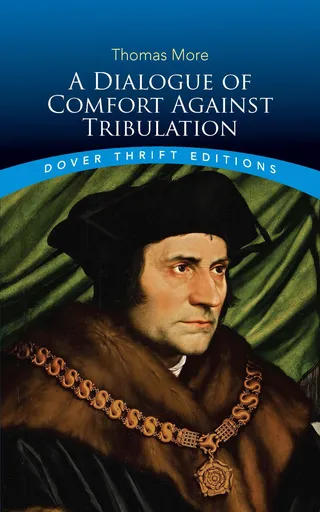
Thomas More
Thomas More balanced public duty with deep moral conviction, leaving a legacy shaped by intellect and principle. Born in 1478 in London, he rose to become a lawyer, scholar, and Lord Chancellor under Henry VIII before his dramatic fall from favor. A philosophy grounded in conscience, faith, and humanist ideals guided his life, often placing moral truth above political power.Intellectual curiosity and social critique define the heart of his work. In works such as Utopia, he crafted a cohesive and fluid vision of an ideal society governed by reason, communal life, and moral order, contrasting it with the injustices of his own time. Thoughtful narrative reveals how justice, discipline, and shared responsibility intertwine, inviting readers to question the structures of society.Enduring influence has made him a central figure in philosophy, politics, and literature. Readers and thinkers across centuries have debated and drawn from his ideas on society, governance, and moral responsibility. Today, his work remains widely read, valued for its insight, courage, and lasting impact on political thought and literary tradition.
More by Thomas More






Why Readwise Books?
Readwise Books is an ebook & audiobook platform that automatically logs how much you and your friends read, making it fun and easy to read more. Learn more →