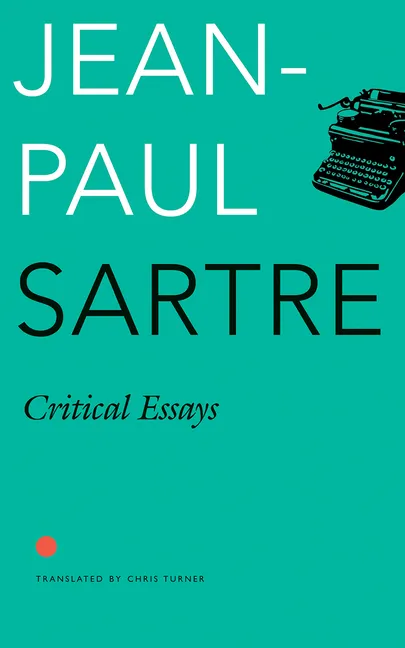
Critical Essays
Report an issue
Tell us what's wrong and we'll take a look.
Thanks – we got it. We'll review and follow up if needed.
Critical Essays (Situations I) contains essays on literature and philosophy from a highly formative period of French philosopher and leading existentialist Jean-Paul Sartre's life, the years between 1938 and 1946. This period is particularly interesting because it is before Sartre published the magnum opus that would solidify his name as a philosopher, Being and Nothingness. Instead, during this time Sartre was emerging as one of France's most promising young novelists and playwrights--he had already published Nausea, The Age of Reason, The Flies, and No Exit. Not content, however, he was meanwhile consciously attempting to revive the form of the essay via detailed examinations of writers who were to become central to European cultural life in the immediate aftermath of World War II.
Collected here are Sartre's experiments in reimagining the idea and structure of the essay. Among the distinguished writers he analyzes are Francis Ponge, Georges Bataille, Vladimir Nabokov, Maurice Blanchot, and, of course, Albert Camus, whose novel The Stranger Sartre endeavours to explain in these pages. Critical Essays (Situations I) also contains a famous attack on the Catholic novelist François Mauriac, studies of the great American literary iconoclasts Faulkner and Dos Passos, and brief but insightful essays on aspects of the philosophical writings of Husserl and Descartes.
This new translation by Chris Turner reinvigorates the original skill and voice of Sartre's work and will be essential reading for fans of Sartre and the many writers and works he explores.
"For my generation he has always been one of the great intellectual heroes of the twentieth century, a man whose insight and intellectual gifts were at the service of nearly every progressive cause of our time."--Edward Said
Jean-Paul Sartre
Jean-Paul Sartre (1905–1980) was a significant voice in the creation of existential thought. His explorations of the ways human existence is unique among all life-forms in its capacity to choose continue to influence fields such as Marxist philosophy, sociology, and literary studies. He was awarded the 1964 Nobel Prize in Literature, but refused the honor.
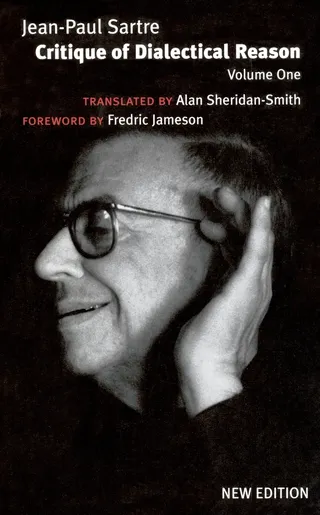
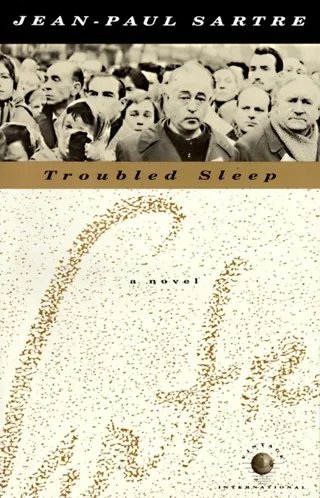
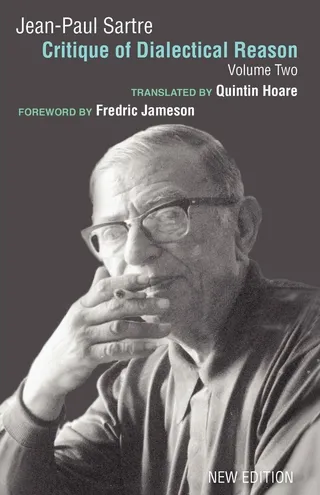
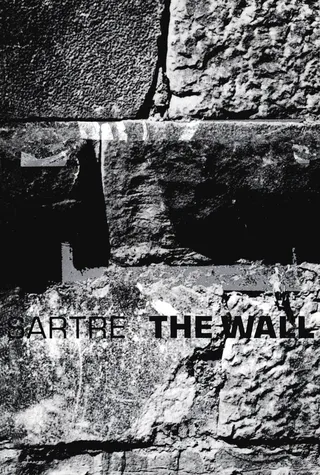
More by Jean-Paul Sartre




Why Readwise Books?
Readwise Books is an ebook & audiobook platform that automatically logs how much you and your friends read, making it fun and easy to read more. Learn more →