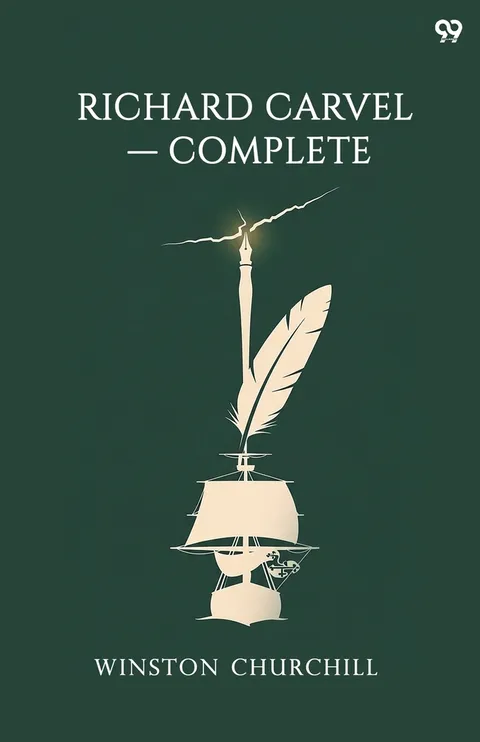
Richard Carvel Complete
Report an issue
Tell us what's wrong and we'll take a look.
Thanks – we got it. We'll review and follow up if needed.
Richard Carvel explores the personal and political upheavals of colonial Maryland through the eyes of its protagonist, who reflects on a privileged but complicated upbringing. Rooted in the affections of his grandfather, a prominent loyalist, and challenged by the shadow of an ambitious uncle, the early chapters focus on memory, inheritance, and the tension between individual desire and family expectation. The narrative captures the atmosphere of a society on the edge of revolution, where tradition and transformation collide. Against this backdrop, the young narrator begins to sense the power structures that both support and constrain him. The affections he holds for his cousin and the values he inherits from his elders shape his early worldview, even as deeper forces of history begin to stir. The story is not just about one man's life, but about a nation in flux, and the ways in which personal identity is tested by broader change. Through this reflection, the work presents a layered examination of allegiance, love, and the quest for selfhood.
Winston Churchill
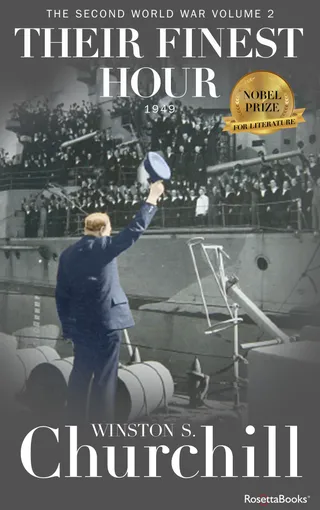
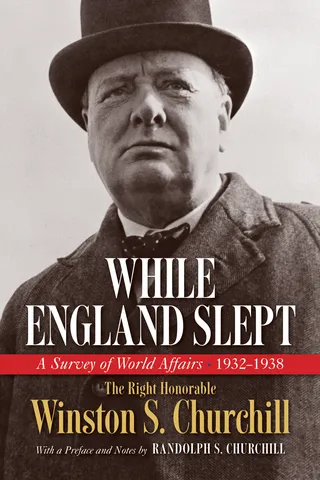
Winston Churchill (1874-1965) was a British statesman, politician, and writer. He is best known for his leadership of the United Kingdom during World War II, as well as his oratory skills and numerous literary works. Churchill was born into an aristocratic family and educated at prestigious schools, including Harrow and the Royal Military College at Sandhurst. He served in the British Army and worked as a war correspondent before entering politics in 1900 as a member of parliament for the Conservative Party. Churchill served as First Lord of the Admiralty and was responsible for the disastrous Gallipoli campaign. He later served as Chancellor of the Exchequer in the 1920s and as Prime Minister. Churchill's leadership during World War II, including his inspiring speeches and steadfast determination, helped lead the Allies to victory over Nazi Germany. He is widely regarded as one of the greatest wartime leaders in history. In addition to his political career, Churchill was a prolific writer and won the Nobel Prize in Literature in 1953. He wrote numerous books, including a six-volume history of World War II, and is remembered for his memorable quotes and speeches, including his famous "we shall fight on the beaches" speech in 1940.
More by Winston Churchill





Why Readwise Books?
Readwise Books is an ebook & audiobook platform that automatically logs how much you and your friends read, making it fun and easy to read more. Learn more →