Report an issue
Tell us what's wrong and we'll take a look.
Thanks – we got it. We'll review and follow up if needed.
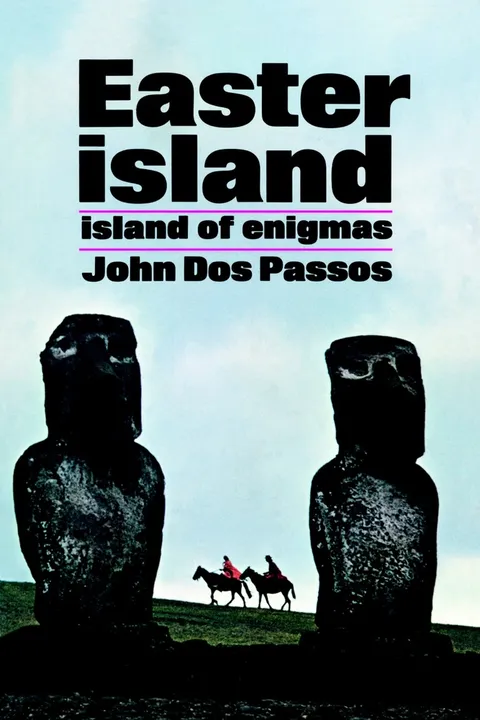
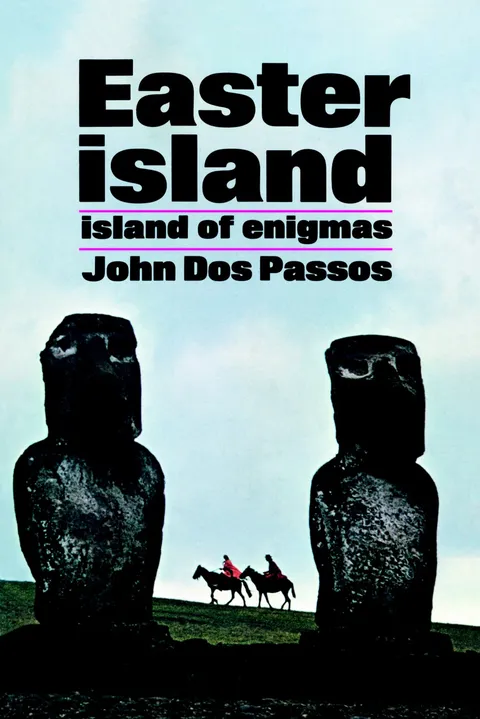
Despite sickness in the final years of his life, Dos Passos presses on for adventure. He and his wife journey to Easter Island, where they explore the history behind the famous statues—called maois.
“When I was a small boy,” Dos Passos says, “some kind person took me to the British Museum. There I saw a statue, a huge, rough, dark-gray statue with [a] long, sad, dark-gray face. The statue stared back out of deep, sunken eyes. What was it trying to say? To this day I can remember the feeling it gave me of savage, brooding melancholy.”
John Dos Passos
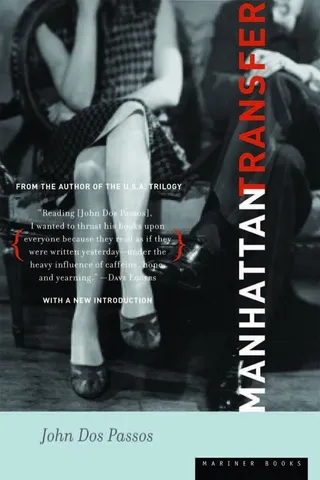
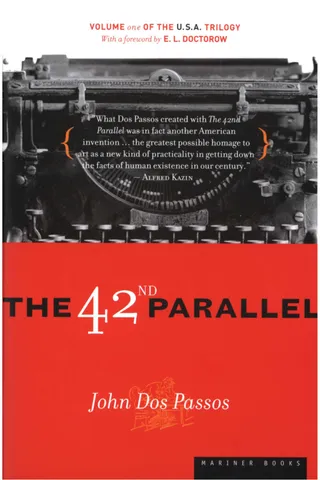
John Roderigo Dos Passos (1896-1970) was an American novelist, painter, and member of the Lost Generation who came of age during World War I. His books include Manhattan Transfer, U.S.A. (The 42nd Parallel, 1919, and The Big Money), and Mr. Wilson's War. He is considered one of the leading novelists of his day and his pioneering works of nonlinear fiction exerted an enormous influence on the work of Jean-Paul Sartre, Mary McCarthy, and John Brunner, among others. By the time of his death in 1970 Dos Passos had written forty-two novels and numerous poems, essays, and plays, and created more than four hundred pieces of art.
More by John Dos Passos



Why Readwise Books?
Readwise Books is an ebook & audiobook platform that automatically logs how much you and your friends read, making it fun and easy to read more. Learn more →