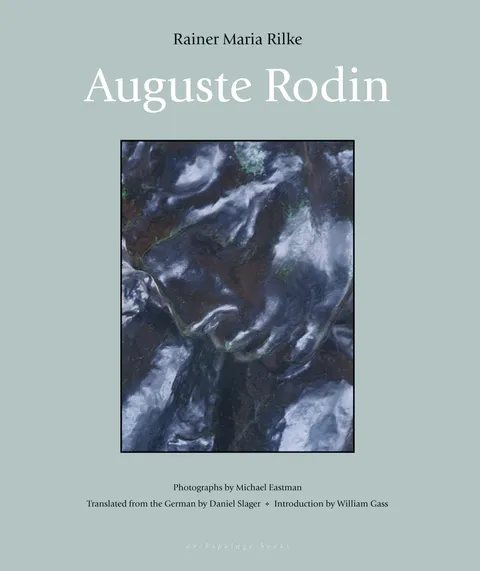
Auguste Rodin
Report an issue
Tell us what's wrong and we'll take a look.
Thanks – we got it. We'll review and follow up if needed.
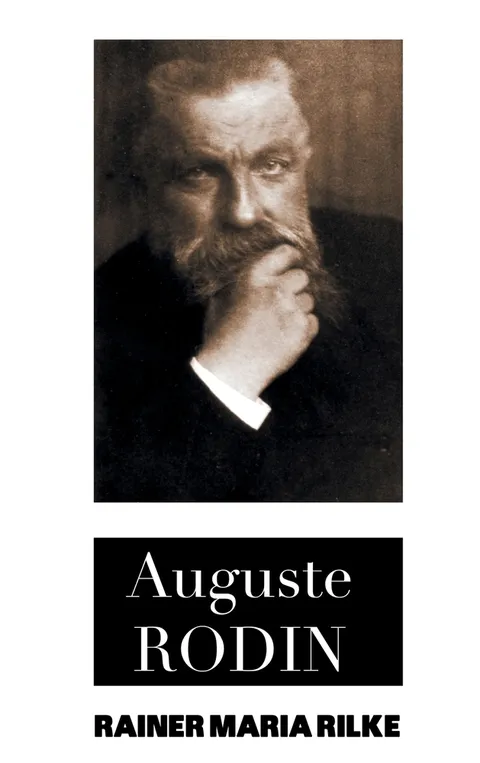
An “elegant translation” of Rilke’s writings on sculptor Auguste Rodin that “offers a fresh look at an unlikely mentorship” and two extraordinary artists (The New York Times Book Review).
Sculptor Auguste Rodin was fortunate to have his secretary Rainer Maria Rilke, one of the most sensitive poets of our time. These two pieces discussing Rodin’s work and development as an artist are as revealing of Rilke as they are of his subject.
Written in 1902 and 1907, these essays mark the entry of the poet into the world of letters. Rilke’s description of Rodin reveals the profound psychic connection between the two great artists, both masters of giving visible life to the invisible. Michael Eastman’s evocative photographs of Rodin’s sculptures shed light on both Rodin’s art and Rilke’s thoughts and catapult them into the 21st century.
Rainer Maria Rilke
Rainer Maria Rilke (1975-1926) was born in Prague and traveled throughout Europe, returning frequently to Paris, where he wrote his finest works: the two volumes of New Poems and the great modernist novel The Notebooks of Malte Laurids Brigge. He lived the last years of his life in Switzerland, where he completed his two poetic masterworks, the Duino Elegies and Sonnets to Orpheus. Joel Agee has translated Elias Canetti, Friedrich Dürenmatt, and Gottfried Benn. He won the Helen and Kurt Wolff Translator's Prize for his work on Heinrich von Kleist's verse play Penthesilea. He is the author of Twelve Years: An American Boyhood in East Germany.
More by Rainer Maria Rilke








Why Readwise Books?
Readwise Books is an ebook & audiobook platform that automatically logs how much you and your friends read, making it fun and easy to read more. Learn more →