Report an issue
Tell us what's wrong and we'll take a look.
Thanks – we got it. We'll review and follow up if needed.
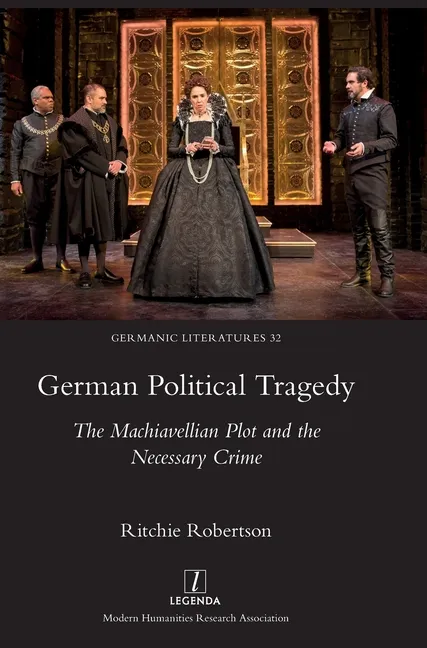
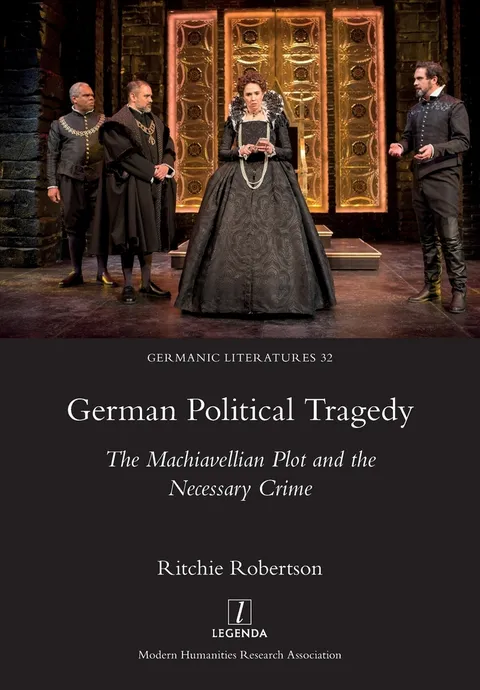
German literature from roughly 1750 to 1850 has a tradition of tragic drama unmatched by any other literature in that period. To an extent seldom recognized, this drama engages with political themes. Robertson traces these themes back to the thought of Machiavelli, its reception, and its frequent distortion by subsequent theorists, especially in the early modern concept of 'reason of state' and the nineteenth-century notion of Realpolitik. Writers from the Baroque dramatist Lohenstein via Goethe, Schiller and Kleist, through Nietzsche and Wagner and on down to Brecht and Hochhuth in the twentieth century employ the tragic dilemmas of history or mythology to exemplify the hard political choices we may also have to make in the present. Were the troubling decisions of Cleopatra, Elizabeth I, Wallenstein, and Pope Pius XII genuinely necessary? Were their machiavels and courtiers offering wise counsel, or cynical amorality?
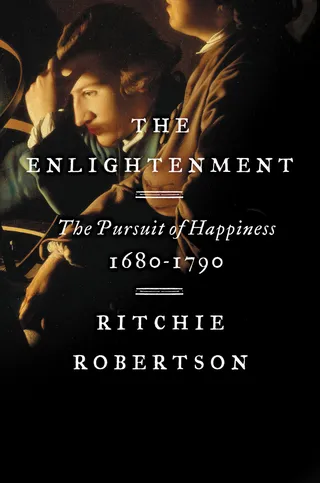
Ritchie Robertson retired in 2021 as Schwarz-Taylor Professor of German at the University of Oxford. He is a Fellow of the British Academy. His recent books include the acclaimed intellectual history The Enlightenment: The Pursuit of Happiness, 1680-1790 (Penguin, 2020).
Ritchie Robertson
Ritchie Robertson is Professor of German at Oxford University, a fellow of the British Academy, and a lead reviewer for the Times Literary Supplement.
More by Ritchie Robertson




Why Readwise Books?
Readwise Books is an ebook & audiobook platform that automatically logs how much you and your friends read, making it fun and easy to read more. Learn more →