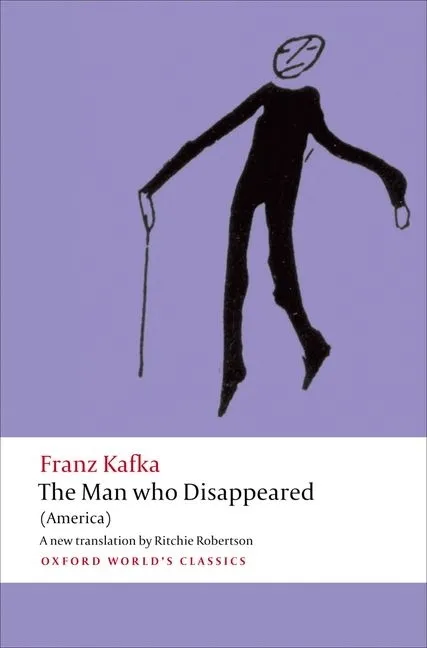
The Man Who Disappeared
Report an issue
Tell us what's wrong and we'll take a look.
Thanks – we got it. We'll review and follow up if needed.
About the Series: For over 100 years Oxford World's Classics has made available the broadest spectrum of literature from around the globe. Each affordable volume reflects Oxford's commitment to scholarship, providing the most accurate text plus a wealth of other valuable features, including expert introductions by leading authorities, voluminous notes to clarify the text, up-to-date bibliographies for further study, and much more.
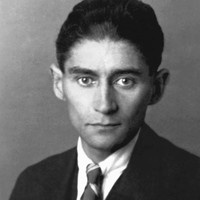
Franz Kafka
Franz Kafka, born in 1883 in Prague, was a Czech writer known for his surreal and existential storytelling. His most famous works, like "The Metamorphosis" and "The Trial," explore themes of alienation and the absurdity of modern life. Despite publishing only a few pieces during his lifetime, Kafka's precise prose and profound insights into the human condition have made him a cornerstone of 20th-century literature. After his death in 1924, his friend Max Brod defied Kafka's wishes to destroy his unpublished works, ensuring his lasting influence on literature and philosophy.
More by Franz Kafka

Ritchie Robertson
Ritchie Robertson is Professor of German at Oxford University, a fellow of the British Academy, and a lead reviewer for the Times Literary Supplement.
More by Ritchie Robertson




Why Readwise Books?
Readwise Books is an ebook & audiobook platform that automatically logs how much you and your friends read, making it fun and easy to read more. Learn more →