
The Kill
Report an issue
Tell us what's wrong and we'll take a look.
Thanks – we got it. We'll review and follow up if needed.

Here is a true publishing event–the first modern translation of a lost masterpiece by one of fiction’s giants. Censored upon publication in 1871, out of print since the 1950s, and untranslated for a century, Zola’s The Kill (La Curée) emerges as an unheralded classic of naturalism. Second in the author’s twenty-volume Rougon-Macquart saga, it is a riveting story of family transgression, heedless desire, and societal greed.
The incestuous affair of Renée Saccard and her stepson, Maxime, is set against the frenzied speculation of Renée’s financier husband, Aristide, in a Paris becoming a modern metropolis and “the capital of the nineteenth century.” In the end, setting and story merge in actions that leave a woman’s spirit and a city’s soul ravaged beyond repair. As vividly rendered by Arthur Goldhammer, one of the world’s premier translators from the French, The Kill contains all the qualities of the school of fiction marked, as Henry James wrote, by “infernal intelligence.”
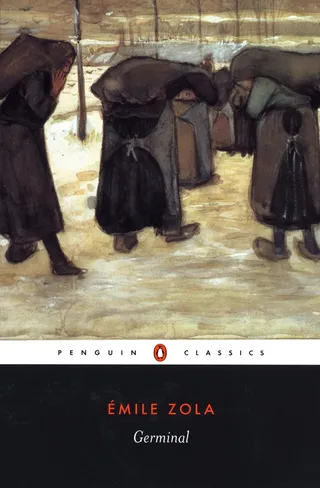
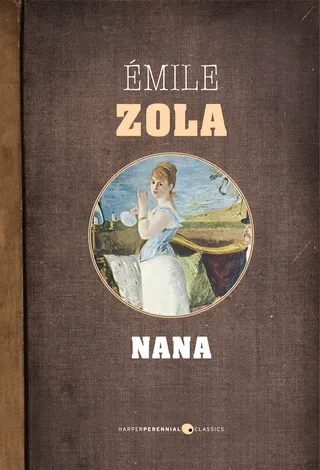
In this new incarnation, The Kill joins Nana and Germinal on the shelf of Zola classics, works by an immortal author who–explicit, pitiless, wise, and unrelenting–always goes in for the kill.
Emile Zola
Émile Zola was a French writer who is recognized as an exemplar of literary naturalism and for his contributions to the development of theatrical naturalism. Zola’s best-known literary works include the twenty-volume Les Rougon-Macquart, an epic work that examined the influences of violence, alcohol and prostitution on French society through the experiences of two families, the Rougons and the Macquarts. Other remarkable works by Zola include Contes à Ninon, Les Mystères de Marseille, and Thérèse Raquin.
In addition to his literary contributions, Zola played a key role in the Dreyfus Affair of the late nineteenth and early twentieth century. His newspaper article J’Accuse accused the highest levels of the French military and government of obstruction of justice and anti-semitism, for which he was convicted of libel in 1898. After a brief period of exile in England, Zola returned to France where he died in 1902. Émile Zola is buried in the Panthéon alongside other esteemed literary figures Victor Hugo and Alexandre Dumas.
More by Emile Zola




Why Readwise Books?
Readwise Books is an ebook & audiobook platform that automatically logs how much you and your friends read, making it fun and easy to read more. Learn more →