Report an issue
Tell us what's wrong and we'll take a look.
Thanks – we got it. We'll review and follow up if needed.
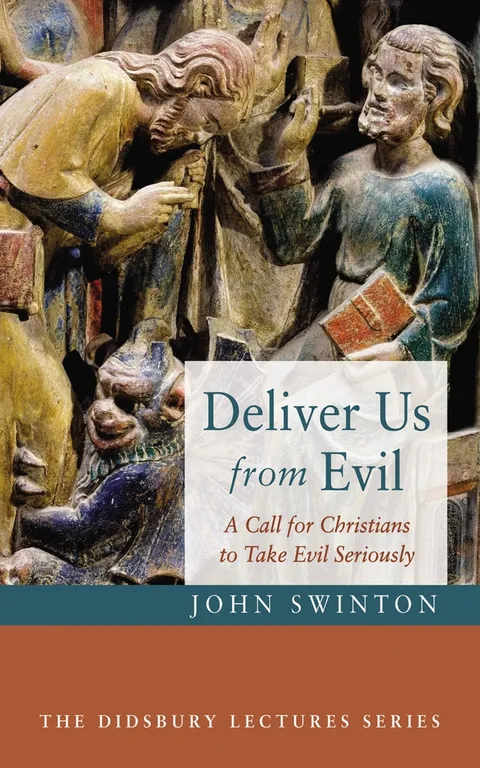
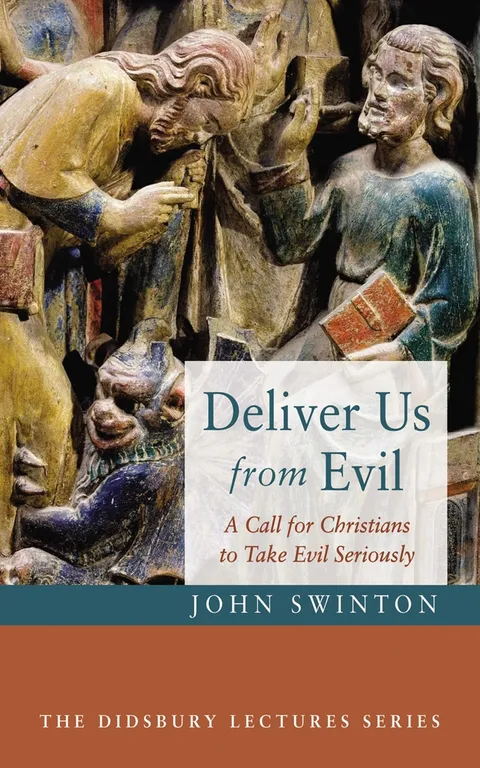
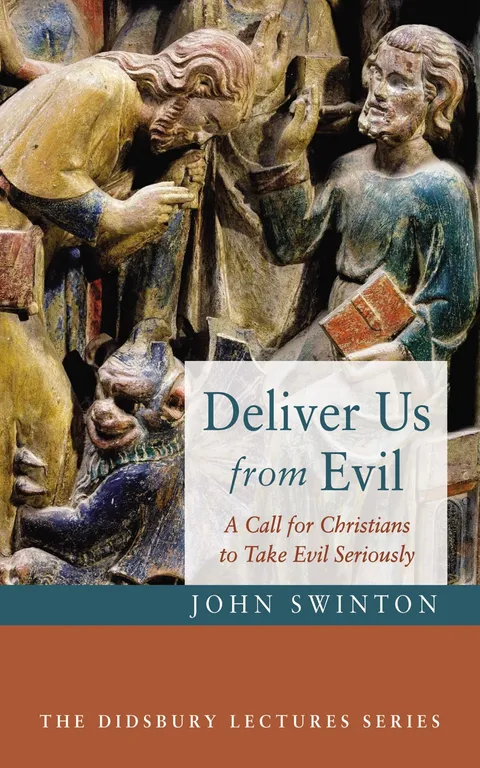
What do we mean when we call something or someone evil? The word "evil" tends to conjure up images of demons, devils, and horrifying crimes, things that you and I couldn't possibly get involved with! But is that true? Is evil really something that only wicked people who are "quite unlike ourselves" get up to? Could it be that you and I are not only capable of doing evil things, but are already involved with such things? This book explores the hidden nature of evil and draws out the ways in which all of us, knowingly or otherwise, are caught up in webs of evil that bring about disastrous consequences, often to the weakest and most vulnerable amongst us. We need to find ways of learning to see evil and resisting it by all means possible. If we can't see evil, we can't resist it. If we can't resist it, we get sucked into it.
John Swinton
John Swinton, PhD, FBA, FRSE, is professor of practical theology and pastoral care at the University of Aberdeen, where he holds the Chair in Divinity and Religious Studies. An ordained minister of the Church of Scotland, he founded the university's Centre for Spirituality, Health and Disability and the Centre for Ministry Studies. His research explores the theological dimensions of health, disability, mental illness, and dementia. His book Dementia: Living in the Memories of God received the 2016 Michael Ramsey Prize for outstanding theological writing. In 2018, he was awarded the Oskar Pfister Award by the American Psychiatric Association for his contribution to the dialogue between theology and psychiatry.
More by John Swinton




Why Readwise Books?
Readwise Books is an ebook & audiobook platform that automatically logs how much you and your friends read, making it fun and easy to read more. Learn more →