Report an issue
Tell us what's wrong and we'll take a look.
Thanks – we got it. We'll review and follow up if needed.
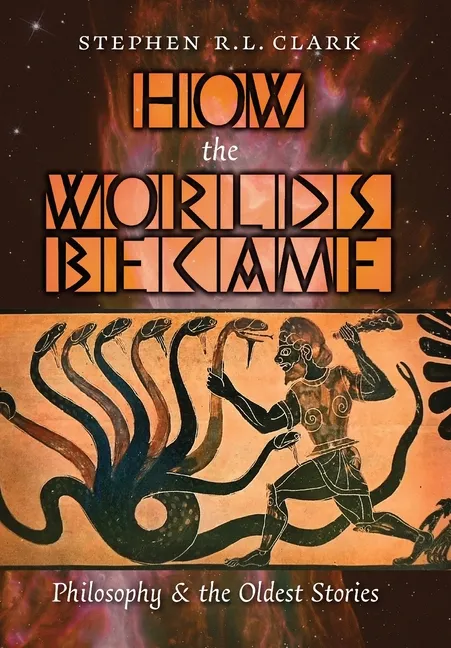
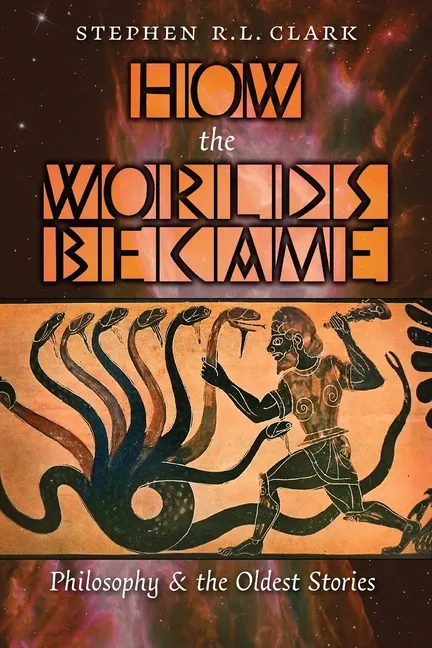
Our ancestors told many a story about the world, addressing in imaginative terms questions we now consider philosophical or scientific. Among the oldest stories are those telling how the First Thing emerged from Nothing and gradually became "the ten thousand things," including powers of a larger and longer-lasting sort than those of mortals, sometimes represented in the motion of heavenly bodies. Such imaginative tellings or myths in some ways resemble modern cosmological theories, but in their original sense were transformative resources for humane living, providing ways of enlivening our spirits. "The lover of myth," as Aristotle said, "is in a way a lover of wisdom, for the myth is composed of wonders." Let us then approach the stories included here as just such lovers of wisdom, keeping a keen but sympathetic eye out for their wonders, intent on unveiling new insights into our beginnings, and that of all the creatures with whom we share the world.
Stephen R L Clark
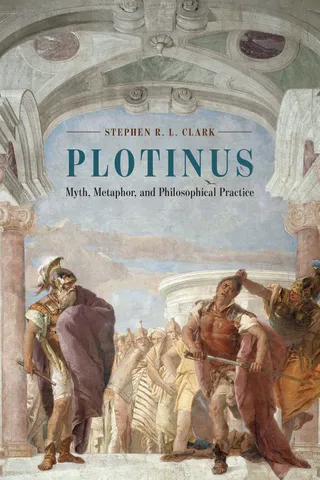
Stephen R.L. Clark is Emeritus Professor of Philosophy at the University of Liverpool, and Honorary Research Fellow in Theology and Religious Studies at the University of Bristol. His principal recent works include Plotinus: Myth, Metaphor and Philosophical Practice (University of Chicago, 2016); Cities and Thrones and Powers: Towards a Plotinian Politics (Angelico Press, 2022); and How the Worlds Became: Philosophy and the Oldest Stories (Angelico Press, 2023).
More by Stephen R L Clark


Why Readwise Books?
Readwise Books is an ebook & audiobook platform that automatically logs how much you and your friends read, making it fun and easy to read more. Learn more →