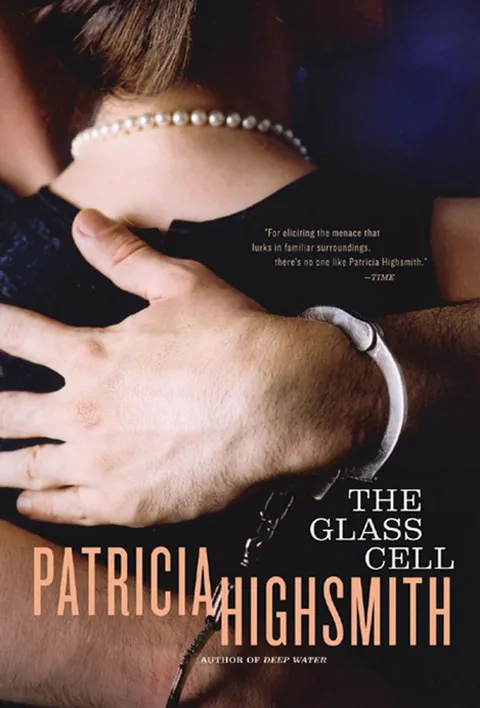
The Glass Cell
Report an issue
Tell us what's wrong and we'll take a look.
Thanks – we got it. We'll review and follow up if needed.
At last back in print, one of Patricia Highsmith's most disturbing works.
Rife with overtones of Dostoyevsky, The Glass Cell, first published forty years ago, combines a quintessential Highsmith mystery with a penetrating critique of the psychological devastation wrought by the prison system. Falsely convicted of fraud, the easygoing but naïve Philip Carter is sentenced to six lonely, drug-ravaged years in prison. Upon his release, Carter is a more suspicious and violent man. For those around him, earning back his trust can mean the difference between life and death. The Glass Cell's bleak and compelling portrait of daily prison life—and the consequences for those who live it—is, sadly, as relevant today as it was when the book was first published in 1964.Patricia Highsmith
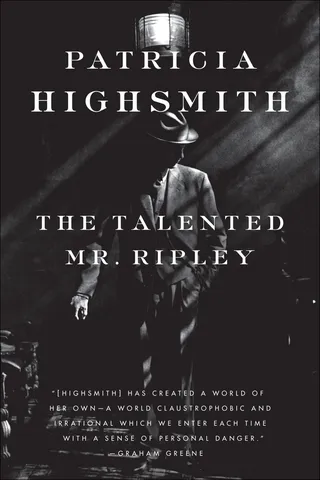
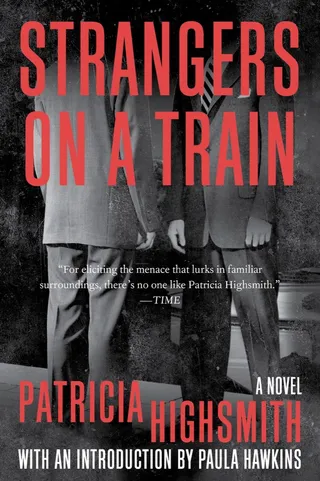
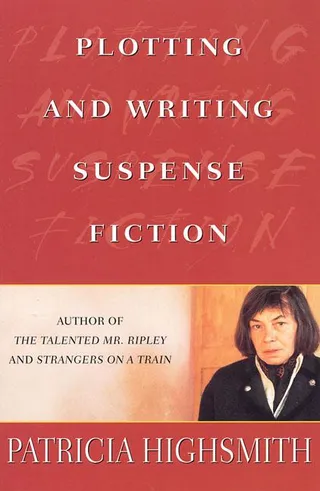
Patricia Highsmith (1921-1995) was born in Fort Worth, Texas, and moved to New York when she was six. In her senior year, she edited the college magazine, having decided at the age of sixteen to become a writer. Her first novel, Strangers on a Train (1950), was made into a classic film by Alfred Hitchcock in 1951. The Talented Mr Ripley (1955), introduced the fascinating anti-hero Tom Ripley, and was made into an Oscar-winning film in 1999 by Anthony Minghella. Highsmith died in Locarno, Switzerland, in February 1995. Her last novel, Small g: A Summer Idyll, was published posthumously, the same year.
More by Patricia Highsmith


Why Readwise Books?
Readwise Books is an ebook & audiobook platform that automatically logs how much you and your friends read, making it fun and easy to read more. Learn more →