
Ripley's Game
Report an issue
Tell us what's wrong and we'll take a look.
Thanks – we got it. We'll review and follow up if needed.
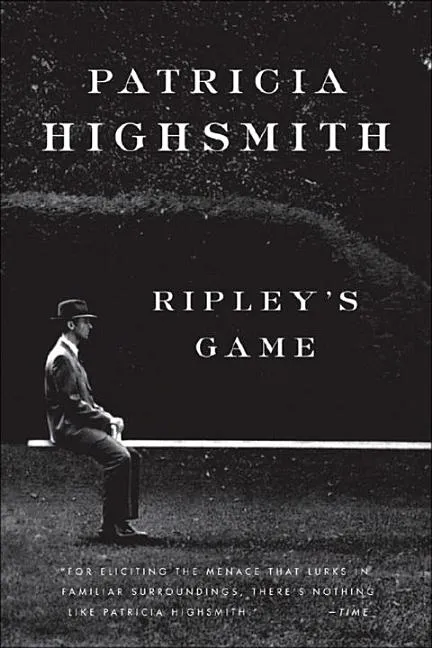
With its sinister humor and genius plotting, Ripley's Game is an enduring portrait of a compulsive, sociopathic American antihero.
Living on his posh French estate with his elegant heiress wife, Tom Ripley, on the cusp of middle age, is no longer the striving comer of The Talented Mr. Ripley. Having accrued considerable wealth through a long career of crime—forgery, extortion, serial murder—Ripley still finds his appetite unquenched and longs to get back in the game.
In Ripley's Game, first published in 1974, Patricia Highsmith's classic chameleon relishes the opportunity to simultaneously repay an insult and help a friend commit a crime—and escape the doldrums of his idyllic retirement. This third novel in Highsmith's series is one of her most psychologically nuanced—particularly memorable for its dark, absurd humor—and was hailed by critics for its ability to manipulate the tropes of the genre. With the creation of Ripley, one of literature's most seductive sociopaths, Highsmith anticipated the likes of Norman Bates and Hannibal Lecter years before their appearance.
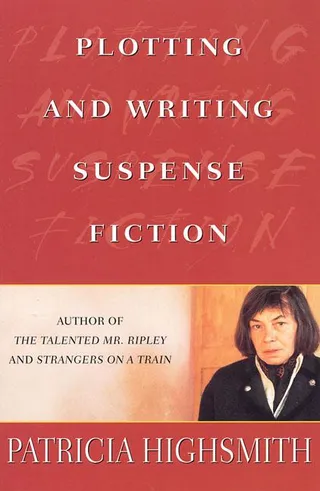
Patricia Highsmith
Patricia Highsmith (1921-1995) was born in Fort Worth, Texas, and moved to New York when she was six. In her senior year, she edited the college magazine, having decided at the age of sixteen to become a writer. Her first novel, Strangers on a Train (1950), was made into a classic film by Alfred Hitchcock in 1951. The Talented Mr Ripley (1955), introduced the fascinating anti-hero Tom Ripley, and was made into an Oscar-winning film in 1999 by Anthony Minghella. Highsmith died in Locarno, Switzerland, in February 1995. Her last novel, Small g: A Summer Idyll, was published posthumously, the same year.
More by Patricia Highsmith










Why Readwise Books?
Readwise Books is an ebook & audiobook platform that automatically logs how much you and your friends read, making it fun and easy to read more. Learn more →