James Branch Cabell
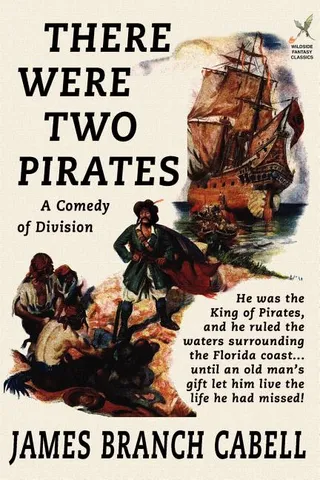
James Branch Cabell (1879-1958), a Richmond, Virginia-born novelist and College of William and Mary graduate, was for a brief period one of the most talked-about writers in America: his 1919 novel Jurgen was prosecuted for obscenity by the Society for the Suppression of Vice, and the resulting trial and acquittal made him a literary celebrity and a bestseller through the 1920s. He was closely associated with, and praised by, contemporaries including H. L. Mencken and Sinclair Lewis, and his eighteen-volume Biography of the Life of Manuel - a linked cycle of novels, essays, and poetry tracing a fictional medieval count and his descendants - was one of the more ambitious sustained projects in American fiction of its era. His reputation then fell sharply after his death, and he is now one of the more genuinely under-shelved major American novelists of the early twentieth century. The inclusion case for Cabell is not an identity argument but a recovery one: a writer who was a bestseller, a censorship-trial celebrity, and a peer of Mencken and Lewis has largely dropped out of circulating collections, not because the writing failed but because fashions in American fiction moved past ornate, ironic fantasy after the 1920s. The Rivet in Grandfather's Neck (1915), part of the Manuel cycle, is one of Cabell's more grounded entries - a satirical, realist novel of genteel Virginia family life and romantic self-delusion, set in the American South rather than in his invented province of Poictesme, and a useful entry point for readers wary of full-fantasy Cabell. Readers who enjoy dry, elaborately ironic prose - Cabell's sentences are built for savoring, not skimming - and social comedy at the expense of Southern gentility and romantic self-deception will find this a rewarding rediscovery. This Clearview Editions large-print printing - 18-point Atkinson Hyperlegible Next, ragged-right, with no word-division - returns a once-major, now-obscure American novelist to circulation in a format low-vision and aging readers can actually use.



























James Branch Cabell
Introduction by

James Branch Cabell
Original author

James Branch Cabell
Other