Matthew Henson
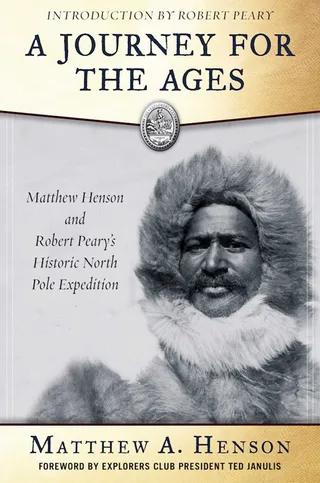
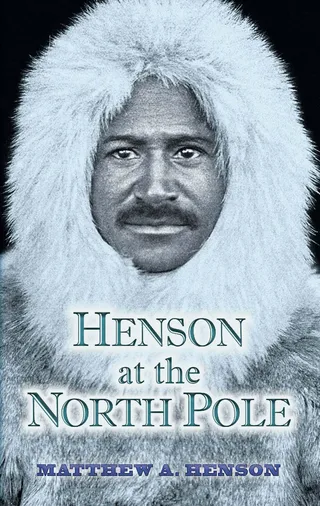
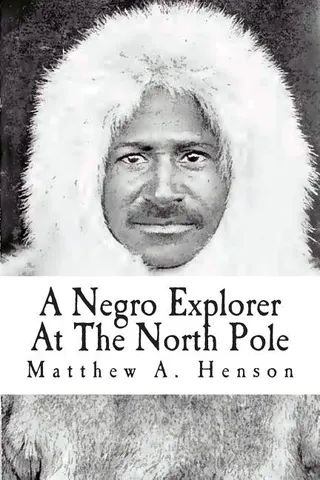
Matthew Henson (1866-1955) was an African American explorer whose Arctic career combined seamanship, craftsmanship, and close working relationships with Inuit communities. He was born in Charles County, Maryland, shortly after the Civil War. His childhood included the loss of his parents, schooling in Washington, and an early departure for a life at sea. As a young sailor he acquired practical knowledge that would later prove valuable far beyond the routes of merchant ships.In 1887 Henson met the naval engineer Robert E. Peary while employed in a Washington shop. He accompanied Peary to Nicaragua and subsequently joined his northern ventures. Over nearly two decades, repeated Arctic journeys made Henson an experienced participant in expedition life. He learned to handle dogs and sledges, repair equipment, and work in conditions that demanded patience as much as physical endurance. Inuit knowledge and labor were fundamental to these journeys, and Henson's ability to communicate and collaborate formed part of his value to the expeditions.Henson belonged to the final traveling party on Peary's 1909 polar expedition, alongside Peary and four Inuit men. The party reported reaching the North Pole, a geographical claim that later investigators have questioned. Henson's importance does not depend on treating that claim as settled. His experience, field skills, and long service are distinct historical facts, even where the expedition's final position remains controversial.After returning to the United States, Henson worked at the New York Custom House rather than continuing a public career comparable to Peary's. His account appeared in 1912, providing a published record in his own name. He lived until 1955, receiving greater recognition in later years than during the expedition's immediate aftermath. His reinterment at Arlington National Cemetery in 1988 became a conspicuous acknowledgment of an explorer whose race had affected the recognition he received.Published in 1912, his memoir made expedition experience available under Henson's own name. Its attention to travel, equipment, and companions gives it a particular place within the literature of polar exploration. The narrative also belongs to the history of Black authorship, documenting a participant whose practical achievements could be acknowledged while his public status remained unequal to that of the expedition's leader.