Report an issue
Tell us what's wrong and we'll take a look.
Thanks – we got it. We'll review and follow up if needed.
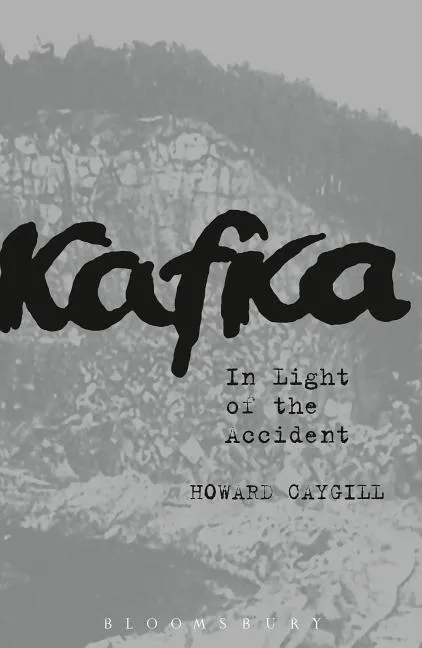
By challenging many of the assumptions, misguided presuppositions and even legends that have surrounded the legacy and reception of Franz Kafka's work during the 20th century, Howard Caygill provides us with a radical new way of reading Kafka.
Kafka: In the Light of the Accident advances a unique philosophical interpretation via the pivotal theme of the accident, understood both philosophically and in a broader cultural context, that includes the philosophical and sociological basis of accident insurance and the understanding of the concepts of chance and necessity. Caygill reveals how Kafka's reception was governed by a series of accidents - from the order of Max Brod's posthumous publication of the novels and the correction of 'misprints', to many other posthumous editorial strategies. The focus on the accident casts light on the role of media in Kafka's work, particularly visual media and above all photography.
By stressing the role of contingency in his authorship, Caygill also fundamentally questions the 20th century view of Kafka's work as 'kafkaesque'. Instead of a narration of domination, Kafka: In the Light of the Accident argues that Kafka's work is best read as a narration of defiance, one which affirms (often comically) the role of error and contingency in historical struggle. Kafka's defiance is situated within early 20th century radical culture, with particular emphasis lent to the roles of radical Judaism, the European socialist and feminist movements, and the subaltern histories of the United States and China.


Why Readwise Books?
Readwise Books is an ebook & audiobook platform that automatically logs how much you and your friends read, making it fun and easy to read more. Learn more →