Report an issue
Tell us what's wrong and we'll take a look.
Thanks – we got it. We'll review and follow up if needed.
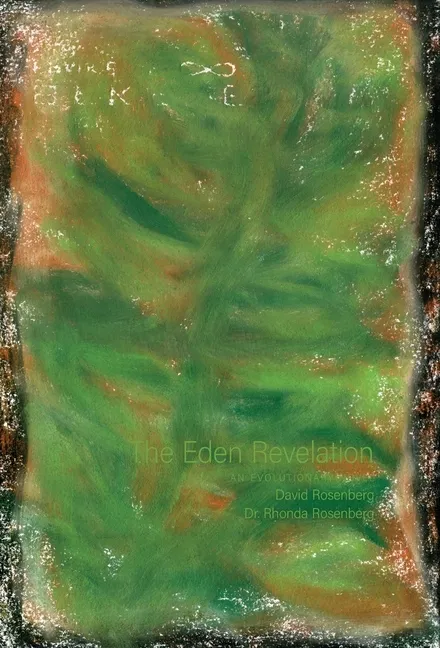
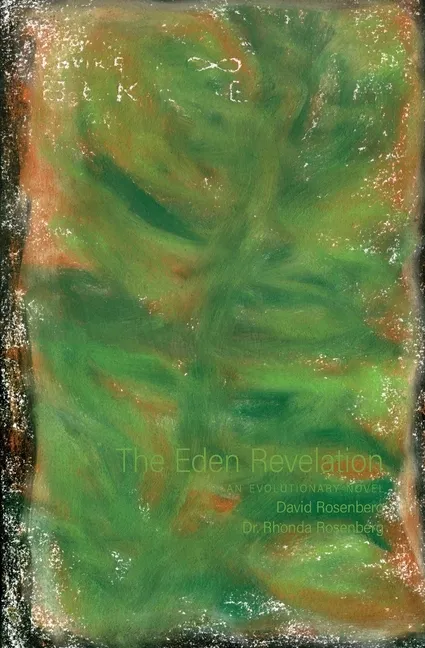
Today we diagnose extreme fantasies as a trait of the unconscious human mind. Prior to the 1990s, we might have echoed the physical symptoms of TB in Mann's sanatorium, which offered mountain air and "intellectual entertainment". Now, when we realize the disease within Eden was carried by a disguised serpent, we're made aware that fantasy and psychosis are its human equivalent, leading to wars and boundary-erasing animal-to-human transmission of pandemics. So that this time, in place of Mann's characters voicing bygone ironies, our original ecosystem-a buried Garden of Eden, where Homo sapiens evolved-is broken into by an archaeologist's Middle Eastern dig. It is where this novel begins its reckoning with the psychic attachments underlying sexuality.
Archaeologist Archibald Shechner, likewise, hears a singular voice breaking into his head. His colleagues fear a nervous breakdown. The novel itself at times seems to distill into a transcription, as if evolving into a new species of prose testimony. Yet the framework of its characters in search of their lost archaeologist colleague and his ancient scrolls remains firmly narrative. It is anchored in both cultural and natural history, suggesting a hopeful guide for "blind" evolution.




Rhonda Rosenberg
Rhonda Rosenberg, born in Houston, is research associate professor at FIU. She has coauthored more than fifty peer-reviewed papers and completed many NIH grants in HIV research. With her husband, she was co-founder of Field Bridge, a think tank in translating ecosystem science into the cultural arts. She has also collaborated on several books about ancient biblical history and poetics.


Why Readwise Books?
Readwise Books is an ebook & audiobook platform that automatically logs how much you and your friends read, making it fun and easy to read more. Learn more →