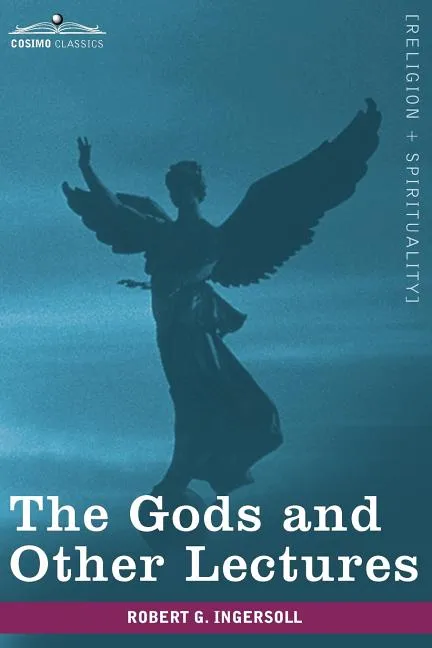
The Gods and Other Lectures
Report an issue
Tell us what's wrong and we'll take a look.
Thanks – we got it. We'll review and follow up if needed.
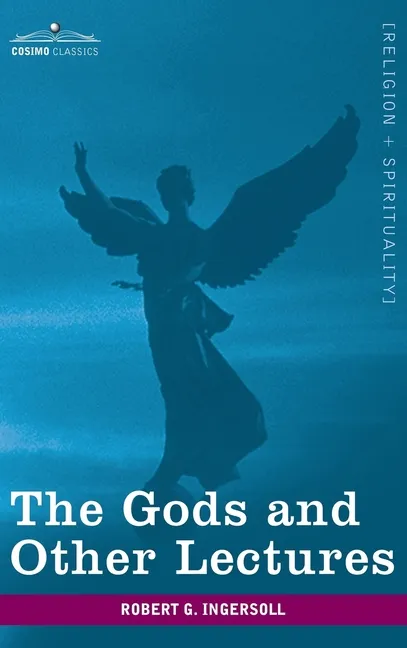
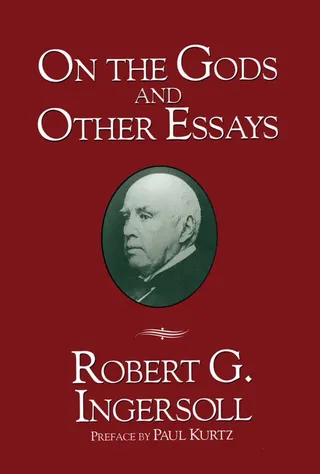
As outspoken in his day as Richard Dawkins or Christopher Hitchens are today, American freethinker and author ROBERT GREEN INGERSOLL (1833-1899) was a notorious radical whose uncompromising views on religion and slavery (they were bad, in his opinion), women's suffrage (a good idea, he believed), and other contentious matters of his era made him a wildly popular orator and critic of 19th-century American culture and public life. As a speaker dedicated to expanding intellectual horizons and celebrating the value of skepticism, Ingersoll spoke frequently on such topics as atheism, freedom from the pressures of conformity, and the lives of philosophers who espoused such concepts. This collection of his most famous speeches includes the lectures: - "The Gods" (1872) - "Humboldt" (1869) - "Thomas Paine" (1870) - "Individuality" (1873) - "Heretics and Heresies" (1874)
Robert Green Ingersoll
American lawyer, politician, and orator Robert Green Ingersoll was well-known for his compelling writings and speeches supporting rationalism, agnosticism, and secularism. Ingersoll, who was born in Dresden, New York, rose to prominence as a speaker in the late 19th century, winning over listeners with his sharp wit, eloquence, and progressive viewpoints. Although Ingersoll started out as a prosperous lawyer, he became well-known for his lectures across the country on subjects ranging from politics and religion to social reform and humanism. Because of his vocal opposition to organised religion and support of reason and science, he earned the nickname "The Great Agnostic" Ingersoll was a fervent supporter of freedom of speech and thinking throughout his life. He supported causes like women's rights, abolitionism, and the separation of religion and state because he thought that knowledge and enlightenment might better society.
More by Robert Green Ingersoll



Why Readwise Books?
Readwise Books is an ebook & audiobook platform that automatically logs how much you and your friends read, making it fun and easy to read more. Learn more →