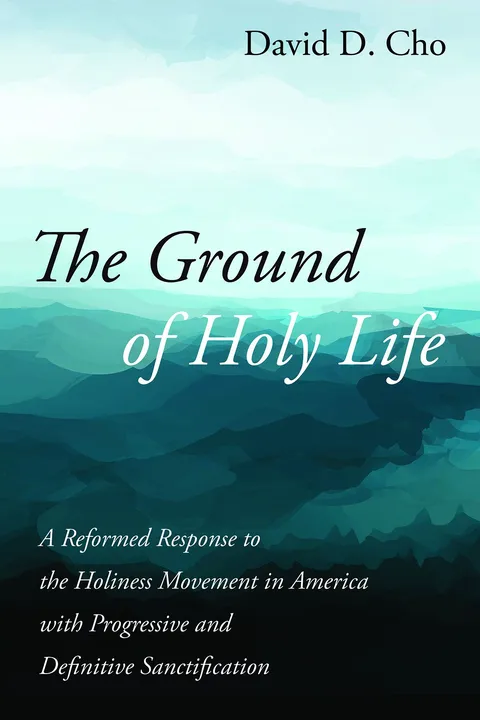
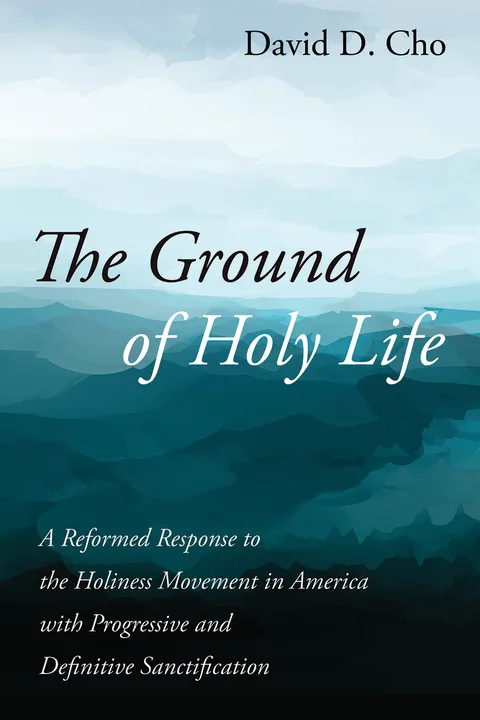
The Ground of Holy Life
A Reformed Response to the Holiness Movement in America with Progressive and Definitive Sanctification
Report an issue
Tell us what's wrong and we'll take a look.
Thanks – we got it. We'll review and follow up if needed.
The Reformation put the grace of God in the right place in the salvation of man. Luther's proclamation of "justification by faith" brought the concept of grace to the fore and made it the centrality of Christian theology. But the overemphasis on the doctrine of justification in the Reformation created the imbalance between justification and sanctification in the soteriology of the Protestant church. To some people just the profession of faith without an accompanying godly life was not good enough for salvation. It seemed that "salvation by grace of God" in the doctrine of justification made man's salvation too easy, thereby opening the floodgate for nominal Christians who were no different from pagans in their hearts. Christian leaders and theologians in the modern church age have tried to "rectify" this problem by injecting the necessity of works into the Christian life. The spiritual movements such as pietism and perfectionism, and new theologies such as the New Perspective on Paul and the Federal Vision, are such endeavors that have stressed good works in the salvation of man. However, without the concept of definitive sanctification, they all lost the monergistic nature of salvation and deviated to the humanistic theology of Arminianism or Pelagianism.
David D. Cho
David D. Cho is Vice President and Professor of Systematic Theology at Evangelia University in California. He has taught systematic theology and sanctification for many years and has written several books on those subjects. His special interest is in the relationship between the Holy Spirit and covenant in the Christian life. As a former pastor, he endeavors to make theology as practical as possible for lay Christians.
More by David D. Cho



Why Readwise Books?
Readwise Books is an ebook & audiobook platform that automatically logs how much you and your friends read, making it fun and easy to read more. Learn more →