Report an issue
Tell us what's wrong and we'll take a look.
Thanks – we got it. We'll review and follow up if needed.
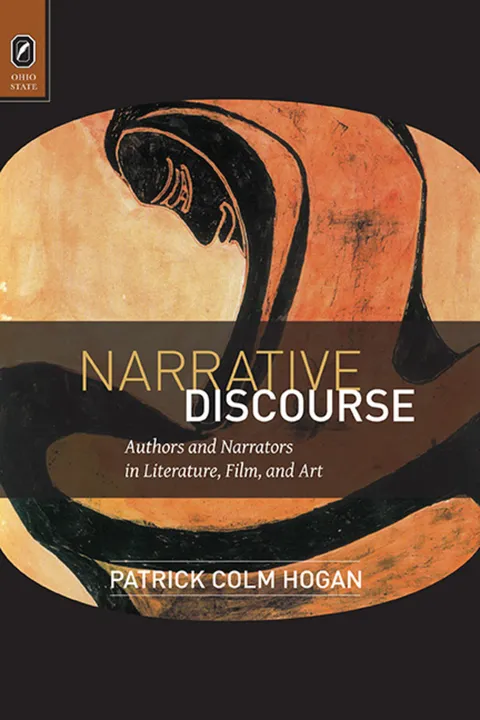
In subsequent chapters Hogan takes the view that implied authorship is both less unified and more unified than is widely recognized. In connection with this notion, he examines how we can make interpretive sense of the inconsistencies of implied authors within works and the continuities of implied authors across works. Turning to narrators, he considers some general principles of readers' judgments about reliability, emphasizing the emotional element of trust. Following chapters take up the operation of complex forms of narration, including parallel narration, embedded narration, and collective voicing ("we" narration). In the afterword, Hogan sketches some subtleties at the other end of narrative communication, considering implied readers and narratees. In order to give greater scope to the analyses, Hogan develops case studies from painting and film as well as literature, treating art by Rabindranath Tagore; films by David Lynch, Bimal Roy, and Kabir Khan; and literary works by Mirabai, Harriet Beecher Stowe, Ernest Hemingway, William Faulkner, Margaret Atwood, Ngugi wa Thiong'o, and Joseph Diescho.


Why Readwise Books?
Readwise Books is an ebook & audiobook platform that automatically logs how much you and your friends read, making it fun and easy to read more. Learn more →