Report an issue
Tell us what's wrong and we'll take a look.
Thanks – we got it. We'll review and follow up if needed.
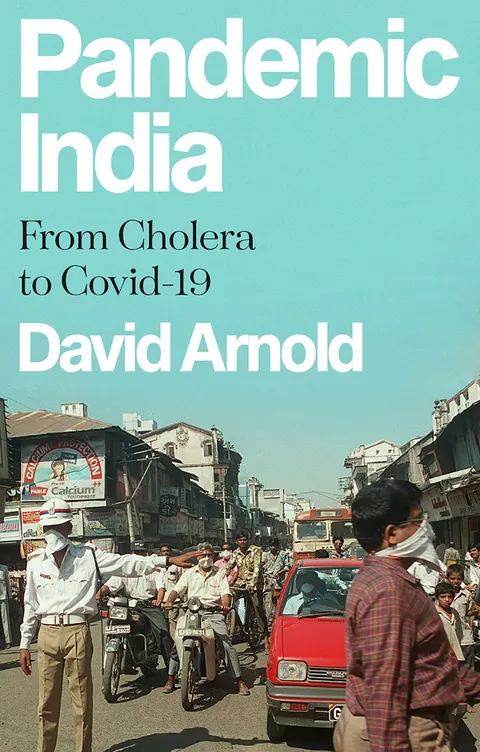
Covid-19 has given renewed, urgent attention to ‘the pandemic’ as a devastating, recurrent global phenomenon. Today the term is freely and widely used—but in reality, it has a long and contested history, centred on South Asia.
Pandemic India is an innovative enquiry into the emergence of the idea and changing meaning of pandemics, exploring the pivotal role played by—or assigned to—India over the past 200 years. Using the perspectives of the social historian and the historian of medicine, and a wide range of sources, it explains how and why past pandemics were so closely identified with South Asia; the factors behind outbreaks’ exceptional destructiveness in India; responses from society and the state, both during and since the colonial era; and how such collective catastrophes have changed lives and been remembered. Giving a ‘long history’ to India’s current pandemic, the book offers comparisons with earlier epidemics of cholera, plague and influenza.
David Arnold assesses the distinctive characteristics and legacies of each episode, tracking the evolution of public health strategies and containment measures. This is a historian’s reflection on time as seen through the pandemic prism, and on the ways the past is used—or misused—to serve the present.
David Arnold
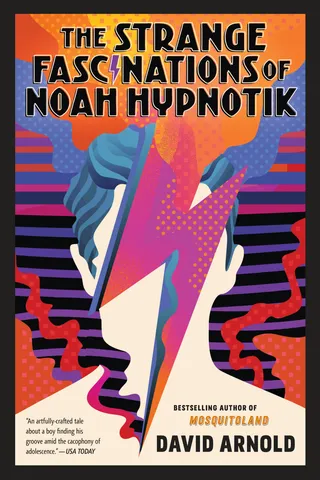
David Arnold lives in Lexington, Kentucky, with his (lovely) wife and (boisterous) son. Previous jobs include freelance musician/producer, stay-at-home dad, and preschool teacher. He is a fierce believer in the power of kindness and community. And chips. He believes fiercely in chips. Mosquitoland is his first novel.
You can learn more at davidarnoldbooks.com and follow him on Twitter @roofbeam.
More by David Arnold










Why Readwise Books?
Readwise Books is an ebook & audiobook platform that automatically logs how much you and your friends read, making it fun and easy to read more. Learn more →