Report an issue
Tell us what's wrong and we'll take a look.
Thanks – we got it. We'll review and follow up if needed.
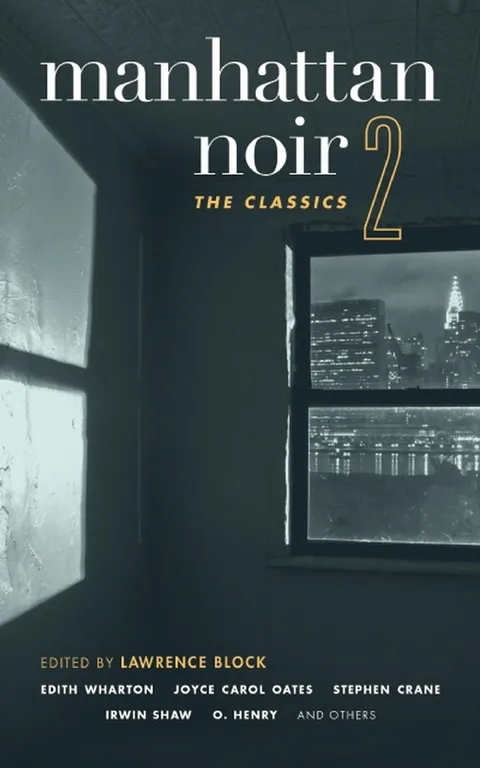
This anthology spans more than a century of noir fiction set in the heart of the Big Apple—"17 sure winners" from Edith Wharton, Donald Westlake, and more (Publishers Weekly, starred review). The island of Manhattan has been a breeding ground of crime, longing, and discontent since its earliest days as a city—and a natural setting for noir fiction since the genre was invented. And from Harlem to Greenwich Village to Wall Street, it has also been home to many a great writer. After the success of the first Manhattan Noir, dedicated to all-new stories, Lawrence Block combed through the borough's long literary history to deliver this stellar collection of classics, even stretching the bounds of noir to include poems by Edgar Allen Poe and others. Manhattan Noir 2: The Classics features entries by Edith Wharton, Stephen Crane, O. Henry, Langston Hughes, Irwin Shaw, Jerome Weidman, Damon Runyon, Evan Hunter, Jerrold Mundis, Edgar Allan Poe, Horace Gregory, Geoffrey Bartholomew, Cornell Woolrich, Barry N. Malzberg, Clark Howard, Jerome Charyn, Donald E. Westlake, Joyce Carol Oates, Lawrence Block, and Susan Isaacs.
Edith Wharton
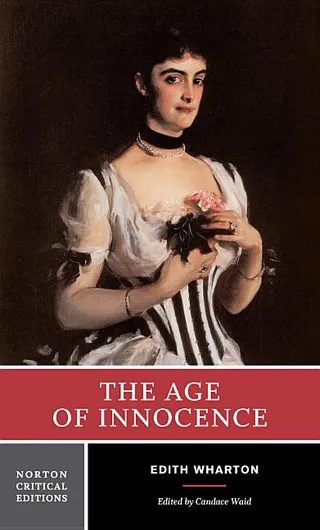
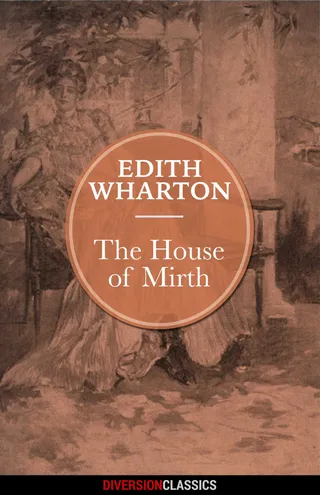
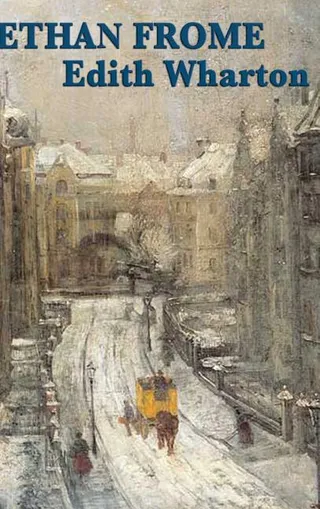
Edith Wharton was born in 1862 to a prominent and wealthy New York family. In 1885 she married Boston socialite 'Teddy' Wharton but the marriage was unhappy and they divorced in 1913. The couple travelled frequently to Europe and settled in France, where Wharton stayed until her death in 1937. Her first major novel was The House of Mirth (1905); many short stories, travel books, memoirs and novels followed, including Ethan Frome (1911) and The Reef (1912). She was the first woman to win the Pulitzer Prize for Literature with The Age of Innocence (1920) and she was thrice nominated for the Nobel Prize in Literature. She was also decorated for her humanitarian work during the First World War.
More by Edith Wharton

Stephen Crane
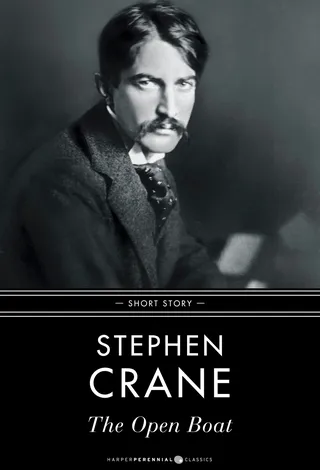
Stephen Crane (1871–1900) was an American poet, novelist, and journalist. His best-known works, The Red Badge of Courage and Maggie: A Girl of the Streets, are widely regarded as two of the most innovative novels of the nineteenth century. After surviving a shipwreck off the coast of Florida—an experience he fictionalized in the short story “The Open Boat”—and reporting from battlefields in Cuba and Greece, Crane died in a German sanatorium at the age of twenty-eight.
More by Stephen Crane



O. Henry
O. Henry (1862–1910) was the pseudonym of American author William Sidney Porter. Arrested for embezzlement in 1895, he escaped the police and fled to Honduras, where he wrote Cabbages and Kings (1904). On his return to the United States, he was caught, and served three years before being released. He became one of the most popular short story authors in history, known for his wit, surprise endings, and relatable, everyman characters.
More by O. Henry




Why Readwise Books?
Readwise Books is an ebook & audiobook platform that automatically logs how much you and your friends read, making it fun and easy to read more. Learn more →