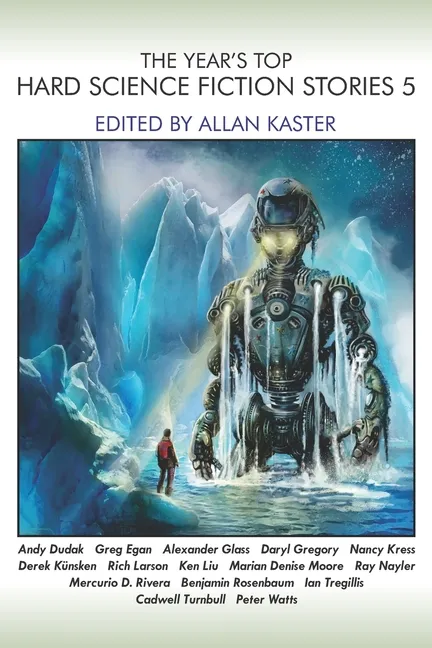
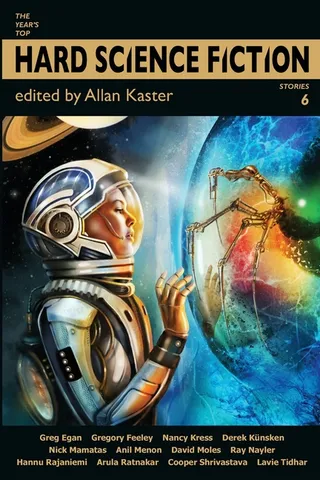
The Year's Top Hard Science Fiction Stories 5
Report an issue
Tell us what's wrong and we'll take a look.
Thanks – we got it. We'll review and follow up if needed.
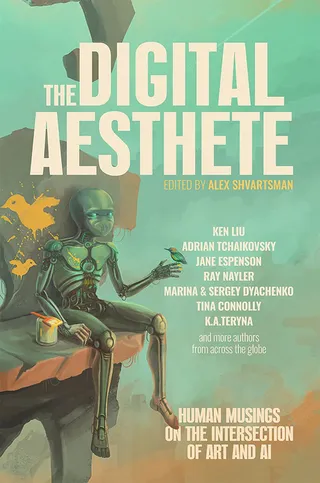
An unabridged collection spotlighting the best hard science fiction stories published in 2020 by current and emerging masters of the genre, edited by Allan Kaster. Aliens, who believe that observing the stars causes dark energy, freeze intelligent beings to prevent the end of the universe in "Salvage," by Andy Dudak. In "You and Whose Army?," by Greg Egan, a hive mind is disturbed when one of four neurally linked brothers unexpectedly breaks his connection. Creatures that feed on time threaten Earth in "Time's Own Gravity," by Alexander Glass. In "Brother Rifle," by Daryl Gregory, a Marine receives a brain implant to help him deal with a brain injury that has left him void of feelings and unable to make decisions. A married couple discover that their adopted daughter had been genetically modified before birth in "Invisible People," by Nancy Kress. "Tool Use by the Humans of Danzhai County," by Derek Künsken, is an epic story of a man and his illegitimate daughter separately trying to revolutionize AI and bioengineering from rural China. In "How Quini the Squid Misplaced His Klobučar," by Rich Larson, a high-tech gene art heist in a future Spain is undertaken by a professional thief more interested in revenge than money. The obituary for an AI provides a list of advice for other advanced AIs in "50 Things Every AI Working with Humans Should Know," by Ken Liu. In "A Mastery of German," by Marian Denise Moore, a biotech company is concerned with the ethics of passing memories between people as it develops this capability. Human explorers struggle to survive in the deadly, primeval forest of an alien planet in "Eyes of the Forest," by Ray Nayler. In "Beyond the Tattered Veil of Stars," by Mercurio D. Rivera, a scientist creates a virtual world so other species can evolve and solve humankind's problems in the real world. An ancient polymorph constructed being, fleeing a failed utopia, returns to a familiar world to find an old friend in "Bereft, I Come to a Nameless World," by Benjamin Rosenbaum. In "When God Sits in Your Lap," by Ian Tregillis, a fallen angel in a noir-like Los Angeles is hired by a man to persuade his wealthy mother to leave her new husband and keep his aerospace empire inheritance intact. An AI helps a family cope with the death of its father in "Mediation," by Cadwell Turnbull. In "Test 4 Echo," by Peter Watts, a damaged, semi-independent component on an autonomous undersea drone on Enceladus shows signs of emerging consciousness.

Ken Liu
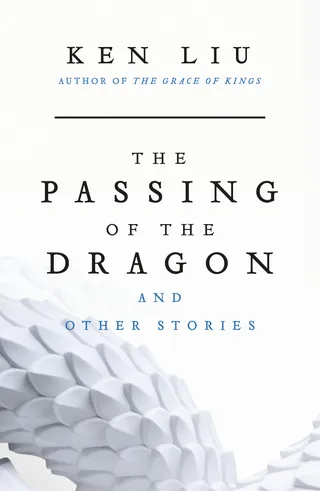
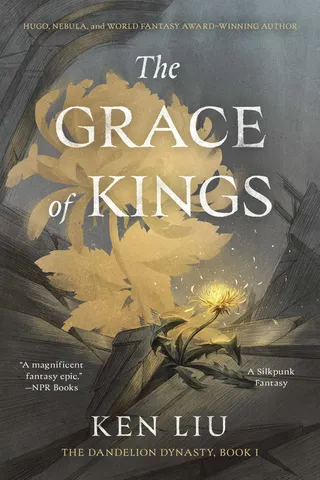
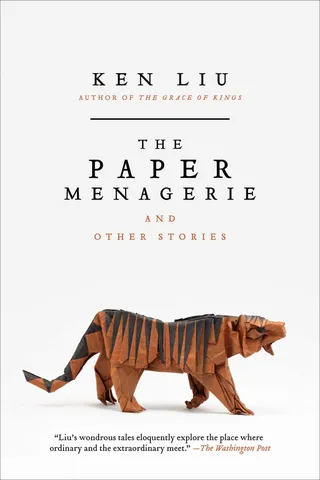
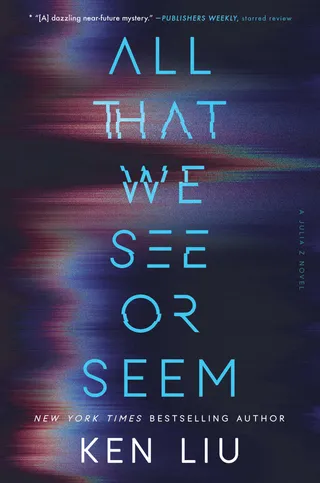
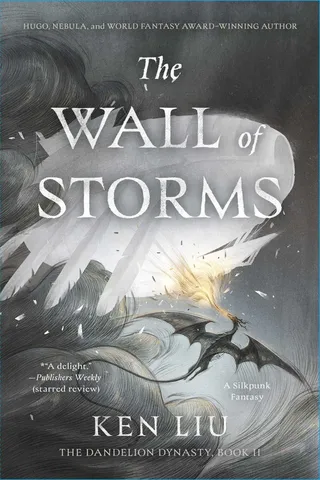
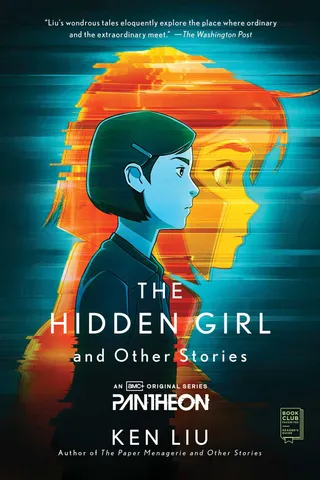
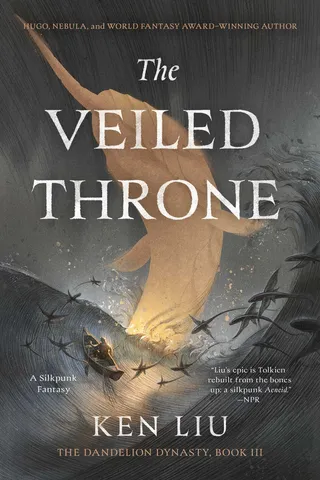
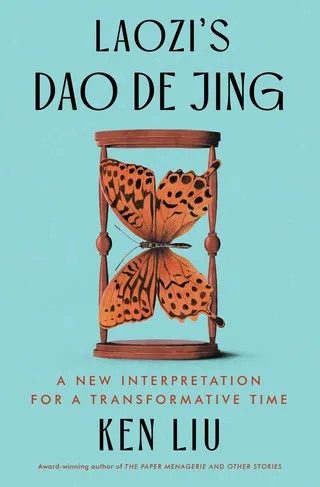
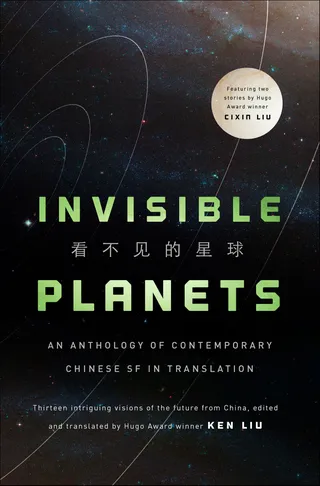
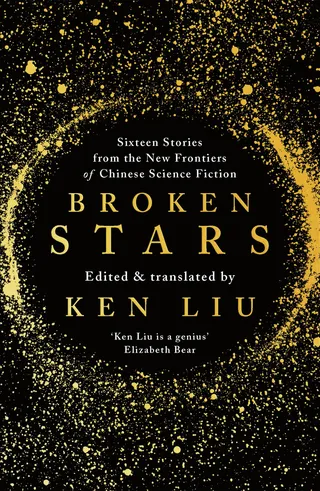
Ken Liu is an award-winning American author of speculative fiction. His collection, The Paper Menagerie and Other Stories, has been published in more than a dozen languages. Liu’s other works include The Grace of Kings, The Wall of Storms, The Veiled Throne, a second collection The Hidden Girl and Other Stories, and the forthcoming Julia Z series. He has been involved in multiple media adaptations of his work, including the short story “Good Hunting,” adapted as an episode in Netflix’s animated series Love, Death + Robots; and AMC’s Pantheon, adapted from an interconnected series of short stories. “The Hidden Girl,” “The Message,” and “The Oracle” have also been optioned for development. Liu previously worked as a software engineer, corporate lawyer, and litigation consultant. He frequently speaks at conferences and universities on topics including futurism, machine-augmented creativity, the history of technology, and the value of storytelling. Liu lives with his family near Boston, Massachusetts.
More by Ken Liu



Why Readwise Books?
Readwise Books is an ebook & audiobook platform that automatically logs how much you and your friends read, making it fun and easy to read more. Learn more →