Report an issue
Tell us what's wrong and we'll take a look.
Thanks – we got it. We'll review and follow up if needed.
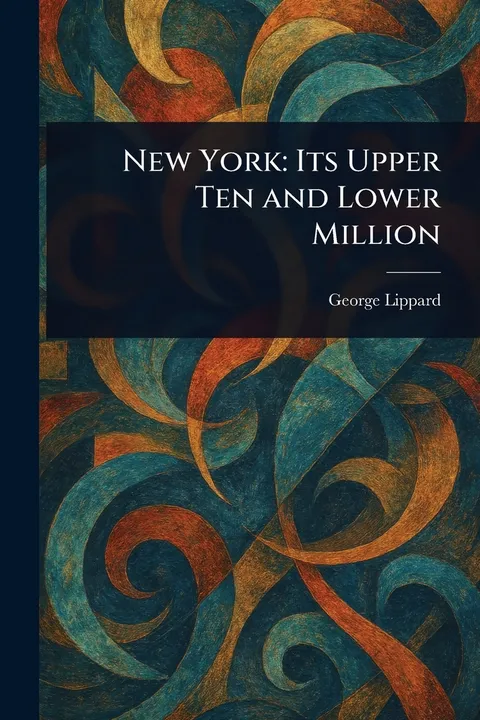
Step into the vibrant and tumultuous world of 19th-century New York City with George Lippard's "New York: Its Upper Ten and Lower Million." This compelling work explores the stark contrasts between the city's elite and its impoverished masses, offering a glimpse into the social classes that defined this pivotal era.
Lippard masterfully portrays the complexities of urban life, revealing the underbelly of a rapidly growing metropolis. Delve into a society grappling with poverty and corruption as the author examines the intricate dynamics between the privileged and the struggling.
A fascinating exploration of city and town life in New York, this book provides a historical lens through which to view the enduring challenges of urbanization and social inequality. Experience the raw energy and social tensions of a bygone era in this meticulously prepared print republication.
This work has been selected by scholars as being culturally important, and is part of the knowledge base of civilization as we know it.
This work is in the public domain in the United States of America, and possibly other nations. Within the United States, you may freely copy and distribute this work, as no entity (individual or corporate) has a copyright on the body of the work.
Scholars believe, and we concur, that this work is important enough to be preserved, reproduced, and made generally available to the public. We appreciate your support of the preservation process, and thank you for being an important part of keeping this knowledge alive and relevant.
George Lippard
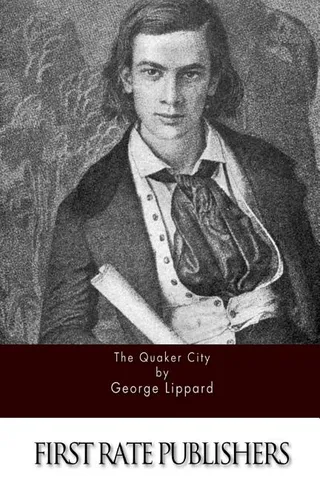
George Lippard was born on April 10, 1822, in West Nantmeal Township, Pennsylvania, to a family with deep roots in the area. As a young man, he became involved in various forms of social activism, particularly advocating for the rights of workers and the working class. Lippard was a writer, journalist, playwright, and labor organizer who gained popularity in the antebellum period, becoming a notable figure in early American social movements. His writings, often laced with a sense of moral urgency and a desire for societal reform, reflect his socialist ideals and commitment to justice. A close friend of Edgar Allan Poe, Lippard's works covered a range of topics, including social issues, morality, and human suffering. His most famous novel, The Quaker City, was a sensational work that explored themes of vice, corruption, and the struggles of the urban poor. Sadly, Lippard's life was short-lived; he died at the age of 31 on February 9, 1854, in Philadelphia, Pennsylvania. Despite his early death, his works left an impact on American literature, particularly in the genre of social fiction.
More by George Lippard






Why Readwise Books?
Readwise Books is an ebook & audiobook platform that automatically logs how much you and your friends read, making it fun and easy to read more. Learn more →