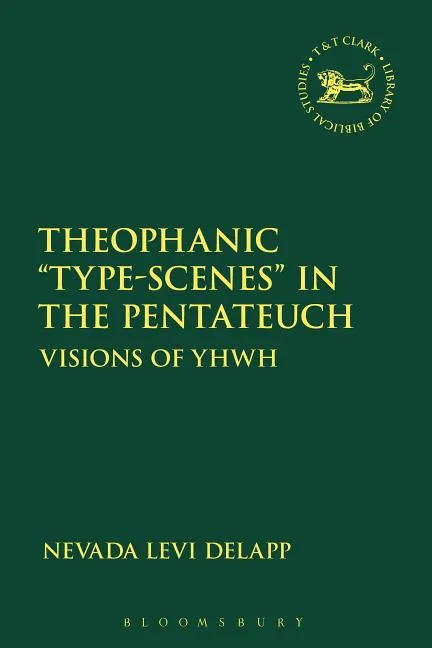
Theophanic "Type-Scenes" in the Pentateuch
Report an issue
Tell us what's wrong and we'll take a look.
Thanks – we got it. We'll review and follow up if needed.
An examination of the presence of theophanic scenes in the final form of the Pentateuch, which argues that rather than there being a single, over-arching theophanic "type-scene" there are multiple such scenes which reflect the individual theological tendencies of the biblical books within which they appear.
The Genesis type-scene revolves around YHWH's promises in crisis situations (i.e., YHWH only appears when there is a crisis or threat to the Abrahamic promise). The Exodus type-scene typically includes the appearance of YHWH's dangerous fiery presence (Kabod Adonai), a communal setting, and divine action constituting or preserving Israel as a people in preparation for the Abrahamic inheritance. In Leviticus the theophanies augment the Exodus type-scene with a liturgical setting where a specific priestly action brings forth a theophanic response.
DeLapp then shows how Numbers recontextualizes each of the preceding type-scenes as it retells the exodus narrative post-Sinai. When read synchronically the three type-scenes build on each other and follow the developing narrative logic of Israel's larger story. Deuteronomy then re-reads the Exodus type-scene (and indirectly the Genesis type-scene) to ensure that later readers read the theophanies appropriately (i.e., YHWH only appeared as "formless" and shrouded in "fire").
Nevada Levi DeLapp
Nevada Levi DeLapp (Ph.D., Brite Divinity School at TCU) is currently Pastor at Calvin Christian Reformed Church, LeMars, Iowa, USA.
More by Nevada Levi DeLapp


Why Readwise Books?
Readwise Books is an ebook & audiobook platform that automatically logs how much you and your friends read, making it fun and easy to read more. Learn more →