Report an issue
Tell us what's wrong and we'll take a look.
Thanks – we got it. We'll review and follow up if needed.
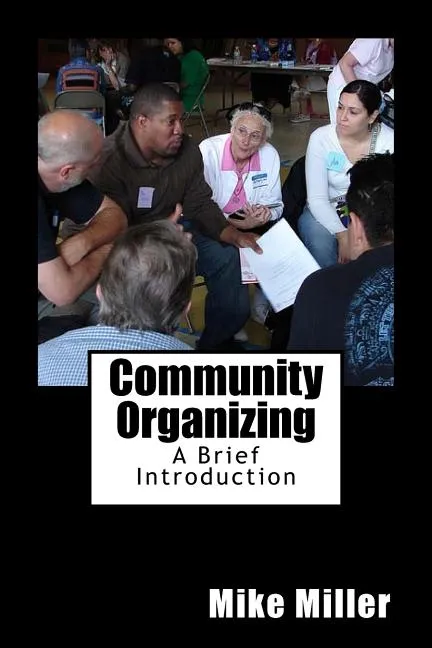
In the approach described here, civic and religious institutions come together to give the community a collective voice. Organizers help a community build a powerful organization rooted in core values of democracy and the social justice teachings of the world's great religious traditions.
Saul Alinsky developed the foundations of the tradition of organizing described here, an approach that remains dominant in the U.S. today. Alinsky rooted power deeply in the lives, relationships and institutions of marginalized and oppressed people. In his early organizing days, his organizations brought together a wide range of institutions: religious congregations and labor unions, as well as mutual aid, self-help, athletic, sororal and fraternal, neighborhood and other voluntary associations. By the late 1970s, as non-congregational neighborhood associations fell into decline, organizers in the Alinsky tradition started looking more carefully at how to sustain the vibrancy of the religious institutions that remained. Organizers sought to help congregation members become co-creators, rather than consumers, of the life of their churches, and worked to help members connect their faith more directly to action in the world. In this way, they helped make both faith and the action more meaningful.
This little book tells the story of one congregation that was a member of a "broadly-based community organization," and how a community organizer assisted its development as a true community.







Why Readwise Books?
Readwise Books is an ebook & audiobook platform that automatically logs how much you and your friends read, making it fun and easy to read more. Learn more →