Report an issue
Tell us what's wrong and we'll take a look.
Thanks – we got it. We'll review and follow up if needed.
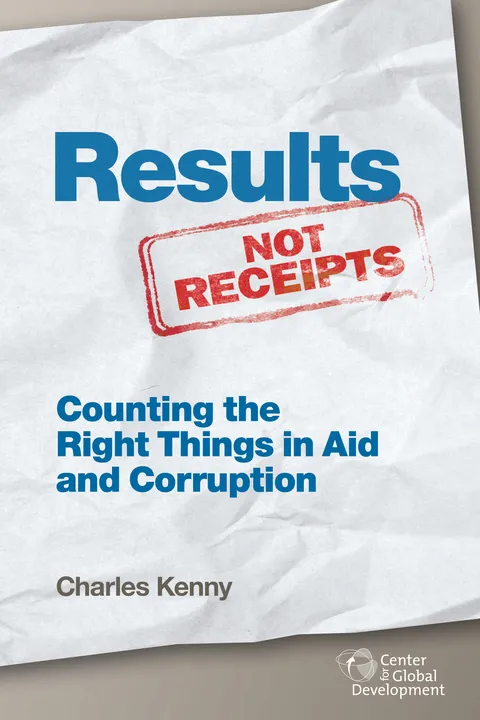
In the aftermath of the invasion of Afghanistan, the U.S. Agency for International Development supported the Afghan Ministry of Public Health to deliver basic healthcare to 90 percent of the population, at a cost of $4.50 a head. The program played a vital role in improving the country's health; the number of children dying before the age of five dropped by 100,000 a year. But accounting standards at the Ministry of Public Health concerned the United States Special Investigator General for Afghanistan. There was no evidence of malfeasance, nor argument about the success of the program. For all that the results were fantastic, receipts were not in order. The investigator called for the health program to be suspended because of "financial management deficiencies" at the ministry.
This case illustrates a growing problem: an important and justified focus on corruption as a barrier to development has led to policy change in aid agencies that is damaging the potential for aid to deliver results. Donors have treated corruption as an issue they can measure and improve, and from which they can insulate their projects at acceptable costs by controlling processes and monitoring receipts. Results Not Receipts highlights the weak link between donors’ preferred measures of corruption and development outcomes related to our limited ability to measure the problem. It discusses the costs of the standard anti-corruption tools of fiduciary controls and centralized delivery, and it suggests a different approach to tackling the problem of corruption in development: focus on outcomes.
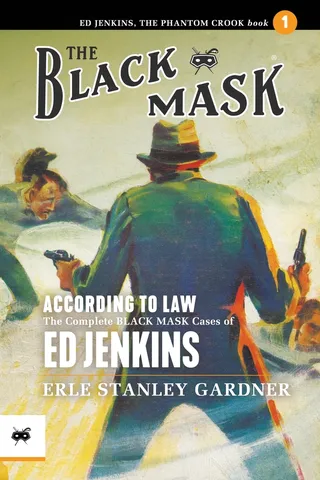
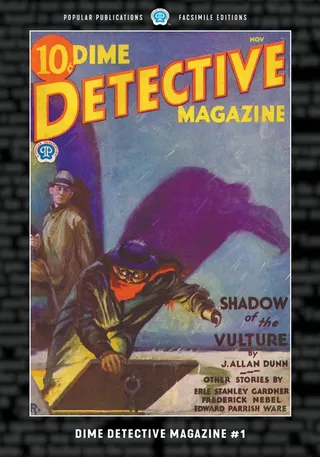
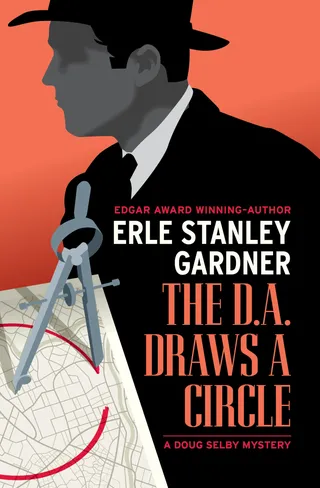
Erle Stanley Gardner
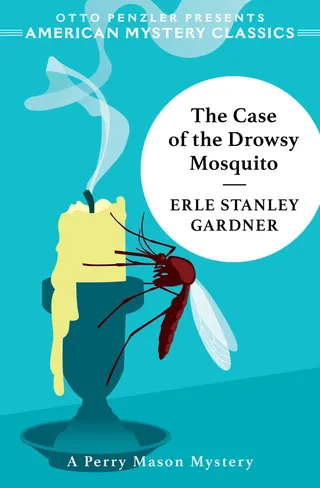
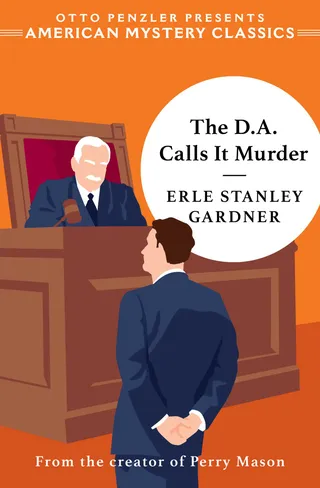
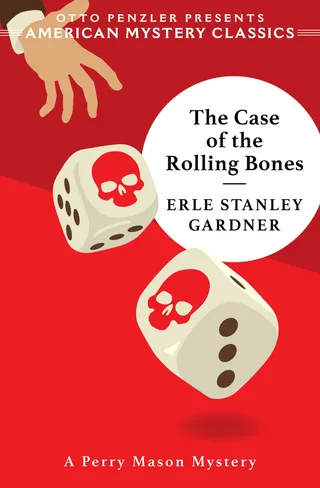
Erle Stanley Gardner (1889–1970) was an author and lawyer who wrote nearly 150 detective and mystery novels that sold more than one million copies each, making him easily the best-selling American writer of his time. He ranks as one of the most prolific specialists of crime fiction due to his popular alter ego, lawyer-detective Perry Mason. A self-taught lawyer, Gardner was admitted to the California bar in 1911 and began defending poor Chinese and Mexicans as well as other clients. Eventually his writing career, which began with the pulps, pushed his law career aside. As proven in his Edgar Award–winning The Court of Last Resort, Gardner never gave up on the cases of wrongly accused individuals or unjustly convicted defendants.
More by Erle Stanley Gardner







Why Readwise Books?
Readwise Books is an ebook & audiobook platform that automatically logs how much you and your friends read, making it fun and easy to read more. Learn more →