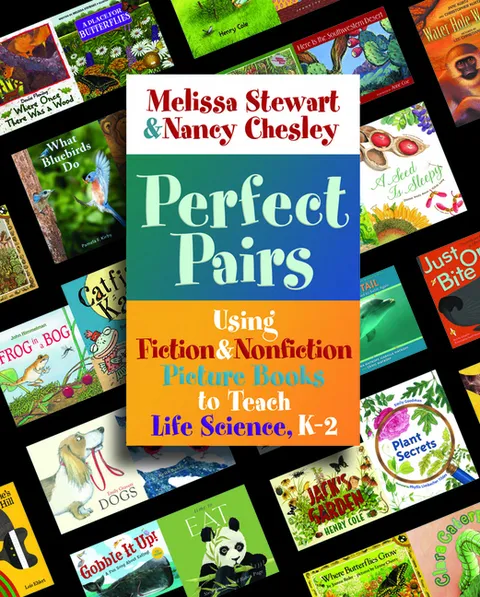
Perfect Pairs, K-2
Using Fiction & Nonfiction Picture Books to Teach Life Science, K-2
Report an issue
Tell us what's wrong and we'll take a look.
Thanks – we got it. We'll review and follow up if needed.
Hands-on lessons can be fun and compelling, but when it comes to life science, they aren't always possible, practical, effective, or safe. Children can't follow a lion as it stalks a gazelle, visit the exotic kapok tree in a rain forest, or swim alongside the underwater life in a pond.
Melissa Stewart
Melissa Stewart is the award-winning author of more than 180 science and nature books for young readers. Hurricane Watch, her first Let's-Read-and-Find-Out title, was recognized as an Outstanding Science Trade Book by the National Science Teachers Association. While gathering information for her books, Melissa has hiked in tropical rainforests, gone on safari in Africa, and swum with sea lions in the Galápagos Islands. She lives in Boston, Massachusetts. You can visit her online at www.melissa-stewart.com.
More by Melissa Stewart
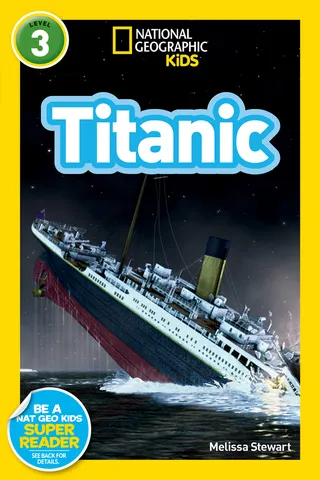
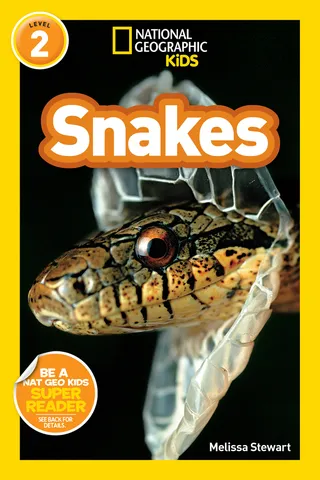
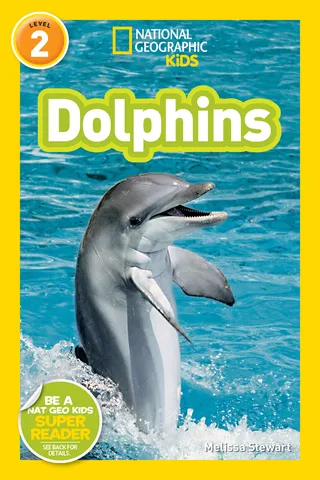
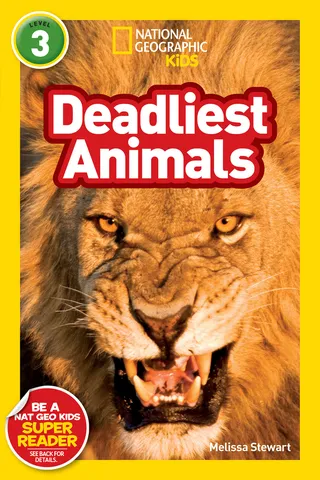
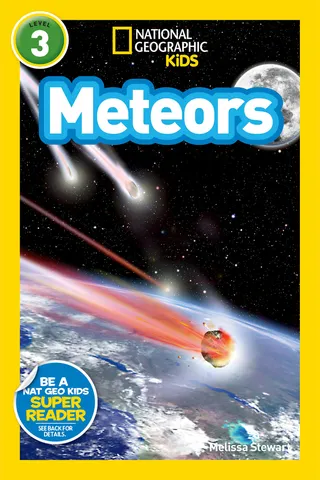
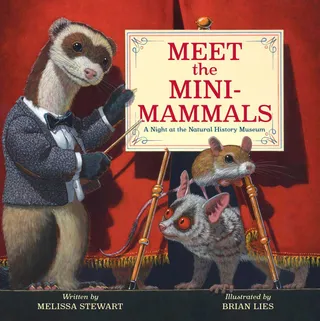
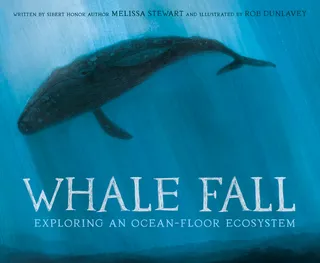
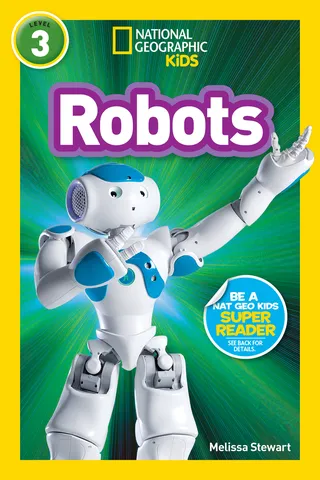
Nancy Chesley
Nancy Chesley was an elementary teacher for 26 years and a K-5 science and literacy specialist for six years. She won the Presidential Award for Excellence in Elementary Science Teaching in 2000 and the Milken Foundation National Distinguished Educator Award in 2002.
Nancy received her bachelor's and master's degrees in education from the University of Southern Maine. She says she wanted to become a teacher because she enjoyed her own elementary education experience and working with children. She explains that she enjoys teaching because of the opportunity to encourage children to seek, find, and consider multiple options and solutions when facing challenges in reading, math, and science, and supporting them as they become increasingly confident in their own abilities as learners.


Why Readwise Books?
Readwise Books is an ebook & audiobook platform that automatically logs how much you and your friends read, making it fun and easy to read more. Learn more →