Report an issue
Tell us what's wrong and we'll take a look.
Thanks – we got it. We'll review and follow up if needed.
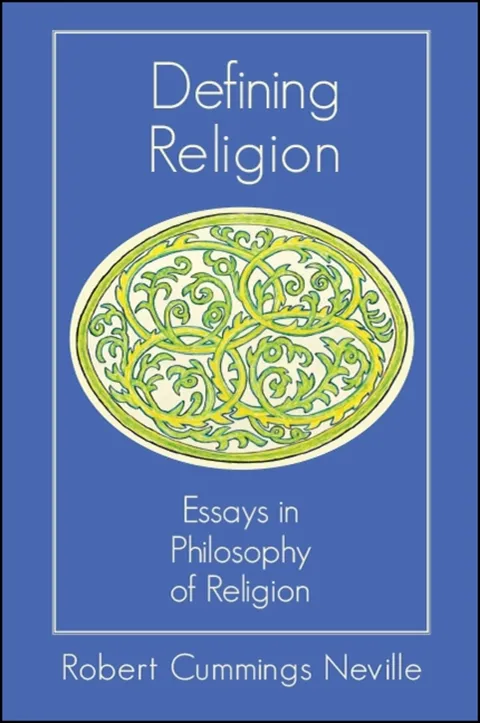
Provides a new orientation to philosophy of religion and a new theory of how religion ought to be defined.
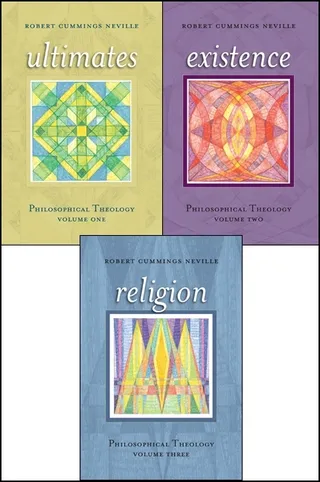
In this collection of essays, written over the past decade, Robert Cummings Neville addresses contemporary debates about the concept of religion and the importance of the comparative method in theology, while advancing and defending his own original definition of religion. Neville's hypothesis is that religion is a cognitive, existential, and practical engagement of ultimate realities-five ultimate conditions of existence that need to be engaged by human beings. The essays, which range from formal articles to invited lectures, develop this hypothesis and explore its ramifications in religious experience, philosophical theology, religious studies, and the works of important thinkers in philosophy of religion. Defining Religion is an excellent introduction to Neville's work, especially to the systematic philosophical theology presented in his magisterial three-volume set Philosophical Theology.
Robert Cummings Neville
Robert Cummings Neville is Professor of Philosophy, Religion, and Theology at Boston University and dean emeritus of the Boston University School of Theology. He is the author of Ultimates (2013), Existence (2014), and Religion (2015)--a series on philosophical theology. His previous books of sermons are Preaching the Gospel without Easy Answers (2005) and The God Who Beckons (1999).
More by Robert Cummings Neville


Why Readwise Books?
Readwise Books is an ebook & audiobook platform that automatically logs how much you and your friends read, making it fun and easy to read more. Learn more →