Report an issue
Tell us what's wrong and we'll take a look.
Thanks – we got it. We'll review and follow up if needed.
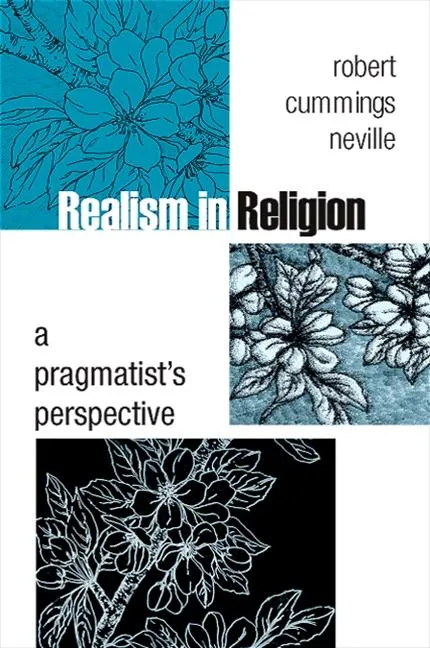
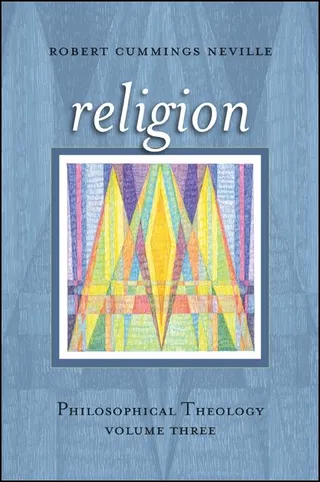
A philosophical consideration of key religious issues from a pragmatist's perspective.
Religion is basic to the human condition according to this philosophy of religion from a pragmatist's perspective. While pragmatist thinkers have often been cool to religious claims, Robert Cummings Neville holds that a theology of truth can emerge from this tradition. Standing against the typical nominalist view that regards religious claims as concepts or structures of language, Neville argues that there can be significant and well-tested hypotheses about what is true in religious matters. He brings this theology to bear on questions of God, divine creation, divine nature and will, and eternity. Using the work of pragmatists Peirce and Whitehead in particular to ground his philosophy of religion, Neville surveys a wide swath of twentieth-century theology and current trends, from Barth and Tillich to liberal and postliberal theology, systematic theology, concepts of God, and approaches to scripture.
Robert Cummings Neville
Robert Cummings Neville is Professor of Philosophy, Religion, and Theology at Boston University and dean emeritus of the Boston University School of Theology. He is the author of Ultimates (2013), Existence (2014), and Religion (2015)--a series on philosophical theology. His previous books of sermons are Preaching the Gospel without Easy Answers (2005) and The God Who Beckons (1999).
More by Robert Cummings Neville


Why Readwise Books?
Readwise Books is an ebook & audiobook platform that automatically logs how much you and your friends read, making it fun and easy to read more. Learn more →