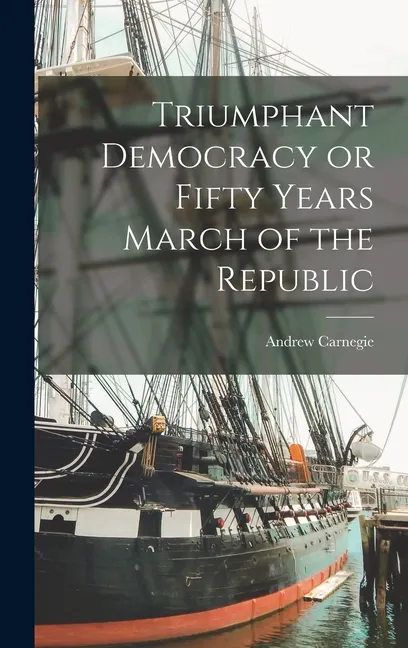
Triumphant Democracy or Fifty Years March of the Republic
Report an issue
Tell us what's wrong and we'll take a look.
Thanks – we got it. We'll review and follow up if needed.
This work has been selected by scholars as being culturally important, and is part of the knowledge base of civilization as we know it.
This work is in the "public domain in the United States of America, and possibly other nations. Within the United States, you may freely copy and distribute this work, as no entity (individual or corporate) has a copyright on the body of the work.
Scholars believe, and we concur, that this work is important enough to be preserved, reproduced, and made generally available to the public. We appreciate your support of the preservation process, and thank you for being an important part of keeping this knowledge alive and relevant.
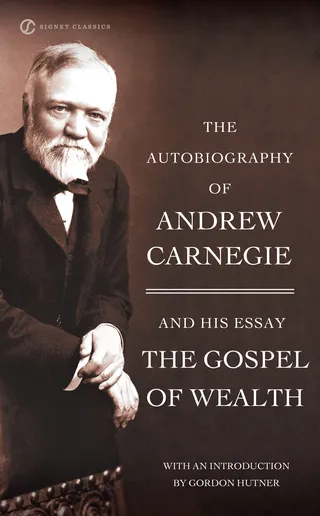
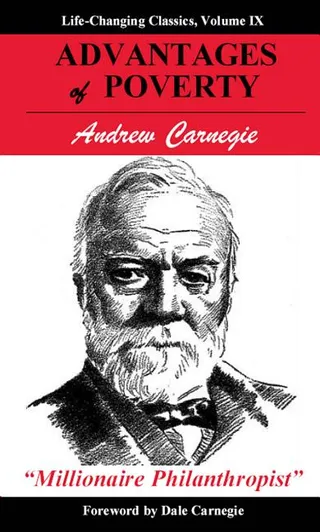
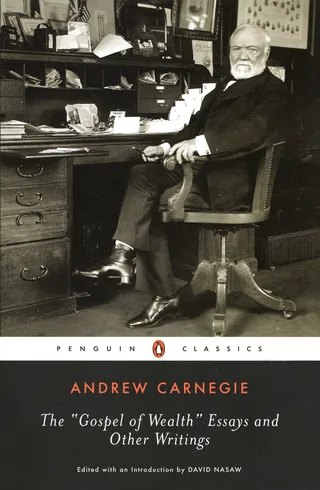
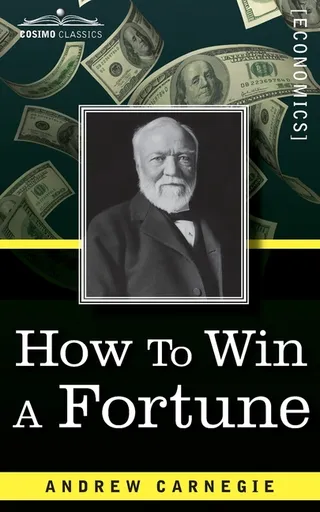
Andrew Carnegie
Andrew Carnegie (1835-1919) was a Scottish American industrialist who led the enormous expansion of the American steel industry in the late nineteenth century. He founded Pittsburgh's Carnegie Steel Company, which was later merged with Elbert H. Gary's Federal Steel Company and several smaller companies to create U.S. Steel. With the fortune he made from business among others he built Carnegie Hall, later turning to philanthropy and interests in education, founding the Carnegie Corporation of New York, the Carnegie Endowment for International Peace, the Carnegie Institution of Washington, Carnegie Mellon University, and the Carnegie Museums of Pittsburgh. Carnegie gave most of his money to establish libraries, schools, and universities in the United States, the United Kingdom, Canada, and other countries.
More by Andrew Carnegie










Why Readwise Books?
Readwise Books is an ebook & audiobook platform that automatically logs how much you and your friends read, making it fun and easy to read more. Learn more →