Report an issue
Tell us what's wrong and we'll take a look.
Thanks – we got it. We'll review and follow up if needed.
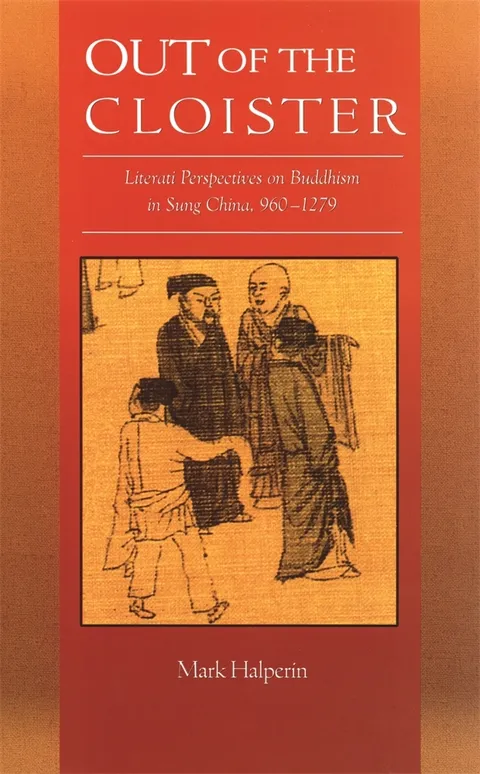
The intense piety of late T'ang essays on Buddhism by literati has helped earn the T'ang its title of the "golden age of Chinese Buddhism." In contrast, the Sung is often seen as an age in which the literati distanced themselves from Buddhism. This study of Sung devotional texts shows, however, that many literati participated in intra-Buddhist debates. Others were drawn to Buddhism because of its power, which found expression and reinforcement in its ties with the state. For some, monasteries were extravagant houses of worship that reflected the corruption of the age; for others, the sacrifice and industry demanded by such projects were exemplars worthy of emulation. Finally, Buddhist temples could evoke highly personal feelings of filial piety and nostalgia.
This book demonstrates that representations of Buddhism by lay people underwent a major change during the T'ang-Sung transition. These changes built on basic transformations within the Buddhist and classicist traditions and sometimes resulted in the use of Buddhism and Buddhist temples as frames of reference to evaluate aspects of lay society. Buddhism, far from being pushed to the margins of Chinese culture, became even more a part of everyday elite Chinese life.
Mark Halperin
Mark Halperin is editor-at-large and senior political analyst for Time. He is also senior political analyst for MSNBC, the author of The Undecided Voter’s Guide to the Next President, and the co-author of The Way to Win: Taking the White House in 2008.
More by Mark Halperin









Why Readwise Books?
Readwise Books is an ebook & audiobook platform that automatically logs how much you and your friends read, making it fun and easy to read more. Learn more →