
Candida
Report an issue
Tell us what's wrong and we'll take a look.
Thanks – we got it. We'll review and follow up if needed.
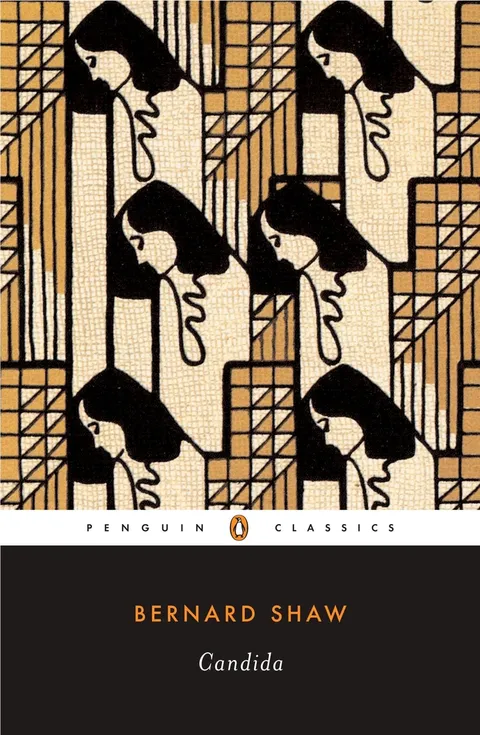

"Candida" is a play written by the famend Irish playwright and critic, George Bernard Shaw. The play is a witty exploration of affection, marriage, and societal expectations. The important person, Candida, is a robust and independent lady who turns into the focus of a love triangle involving her husband, the Reverend James Morell, and a young poet named Eugene Marchbanks. Set against the backdrop of Victorian society, the play demanding situations traditional notions of marriage and examines the dynamics of relationships. Morell, a charismatic socialist preacher, is dedicated to his work and his ideals, but the arrival of Marchbanks complicates subjects. Marchbanks, infatuated with Candida, brings forth questions on love and passion that pressure the characters to confront their own desires and vulnerabilities. Shaw's "Candida" is thought for its sharp wit, smart speak, and incisive social observation. Through the interactions of the characters, the play delves into the complexities of human feelings and the societal expectancies that shape relationships. Candida's person emerges as a symbol of woman organization, difficult traditional gender roles.
George Bernard Shaw
Bernard Shaw, acclaimed Irish playwright and Nobel laureate, has left an indelible mark on Western theater, culture, and politics. Over the course of his life, he wrote more than sixty plays that addressed prevailing social problems through comedy. Shaw was also a prolific essayist and lecturer on economics and sociological subjects, and was eventually awarded the Nobel Prize in Literature for his work, marked by its use of stunning satire to encapsulate humanity.
More by George Bernard Shaw












Why Readwise Books?
Readwise Books is an ebook & audiobook platform that automatically logs how much you and your friends read, making it fun and easy to read more. Learn more →