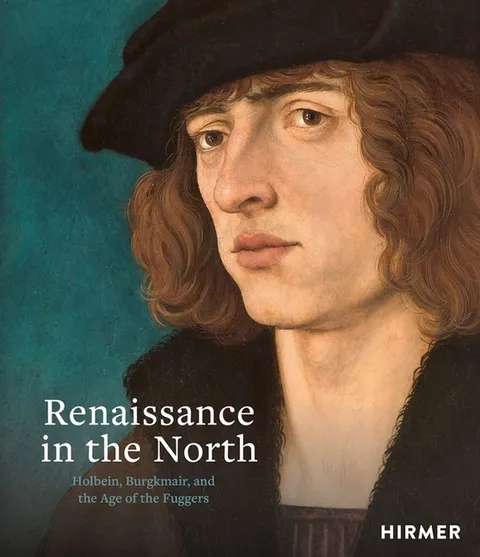
Renaissance in the North
Holbein, Burgkmair, and the Age of the Fuggers
Report an issue
Tell us what's wrong and we'll take a look.
Thanks – we got it. We'll review and follow up if needed.
Hans Holbein the Elder and Hans Burgkmair are regarded alongside Albrecht Dürer as the forerunners of Renaissance painting in Germany. The prosperous Imperial and trading city of Augsburg was an important center during this artistic golden age. Renaissance in the North: Holbein, Burgkmair, and the Age of the Fuggers presents comprehensive insight into great work produced in this region.
Augsburg was influenced by the humanist culture of Italy from an early stage. Thanks to the art-loving trading houses with international operations like the Fuggers, as well as the long sojourns of Emperor Maximilian I and the frequent Imperial diets, the city offered artists like Holbein the Elder and Burgkmair an ideal setting for the development of a new form of art. Together with the works of Dürer, Holbein the Younger, and others, many of their most important works bear witness to the highly fertile and yet contrasting ways in which the two artists adopted the Italian Renaissance.
Jochen Sander
Jochen Sander is the deputy director and head of collections for Dutch, Flemish, and German painting before 1800 at the Städel Museum in Frankfurt.


Why Readwise Books?
Readwise Books is an ebook & audiobook platform that automatically logs how much you and your friends read, making it fun and easy to read more. Learn more →