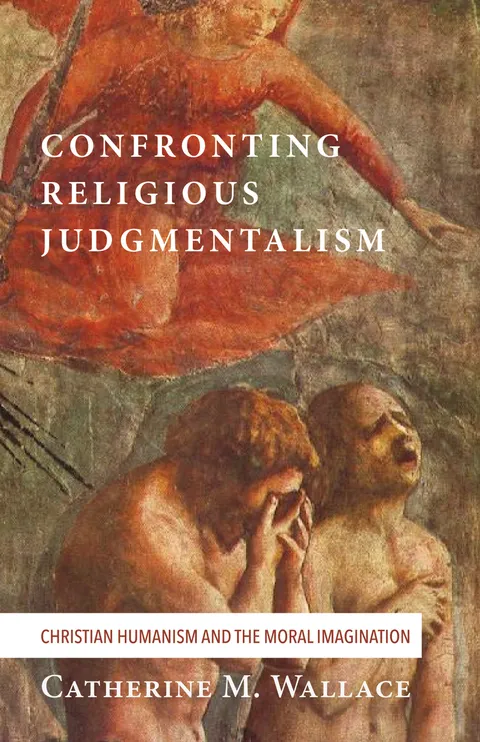
Confronting Religious Judgmentalism
Christian Humanism and the Moral Imagination
Report an issue
Tell us what's wrong and we'll take a look.
Thanks – we got it. We'll review and follow up if needed.
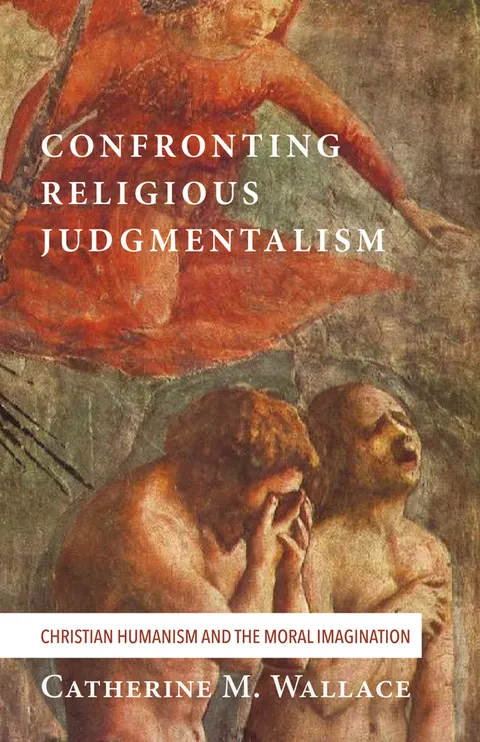
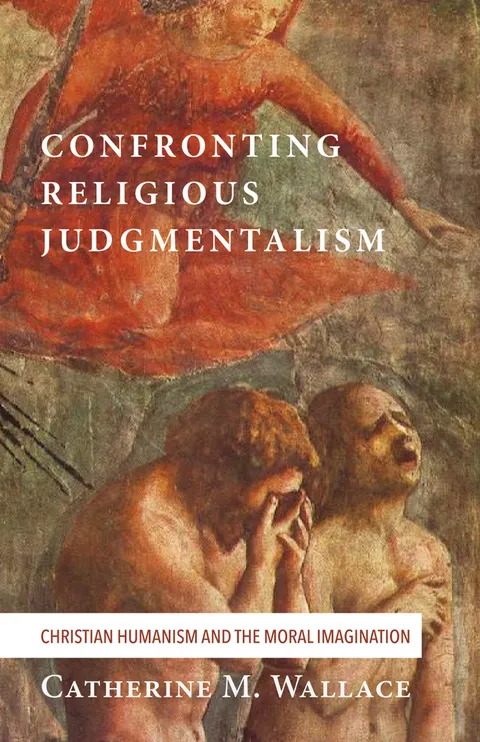
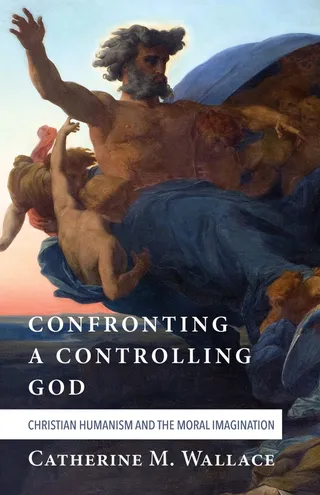
Come to church or go to hell. That's religious bullying. It's judgmentalism. And it's a theological distortion, a distortion insisting that shame and self-loathing are morally appropriate. In Christian humanist tradition, God is not some cosmic judge eager to smite all of us for our sinfulness. God is compassion. We are cherished by God beyond our wildest imagining. We are called to radical hospitality, not to crass judgmentalism. So where does this religious judgmentalism come from? It is the heritage of medieval theocracy: a violent, vindictive God of command and control was far more useful politically than a God of compassion, hospitality, and forgiveness. It comes from literal-minded misreading of the story of Adam and Eve and the forbidden fruit, a story about shame, not disobedience. And it comes from political success in exploiting deep-seated liabilities in the American soul: we spend our lives trying to "prove ourselves," a hopeless task. There's an alternative. In the Christian humanist tradition, authentic moral judgment is rooted in conscience as a creative process. Morality is an art demanding both rigorous consideration of the facts and thoughtful introspection. Conscience properly understood and thoughtfully practiced is an antidote to shame, incessant self-criticism, and chronic self-doubt.



Why Readwise Books?
Readwise Books is an ebook & audiobook platform that automatically logs how much you and your friends read, making it fun and easy to read more. Learn more →