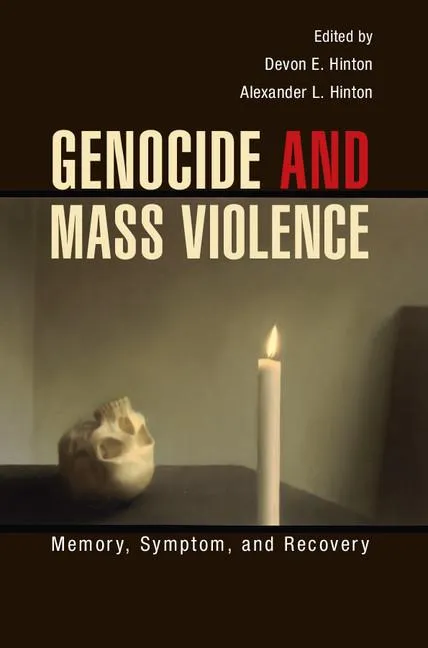
Genocide and Mass Violence
Report an issue
Tell us what's wrong and we'll take a look.
Thanks – we got it. We'll review and follow up if needed.
What are the legacies of genocide and mass violence for individuals and the social worlds in which they live, and what are the local processes of recovery? Genocide and Mass Violence aims to examine, from a cross-cultural perspective, the effects of mass trauma on multiple levels of a group or society and the recovery processes and sources of resilience. How do particular individuals recall the trauma? How do ongoing reconciliation processes and collective representations of the trauma impact the group? How does the trauma persist in "symptoms"? How are the effects of trauma transmitted across generations in memories, rituals, symptoms, and interpersonal processes? What are local healing resources that aid recovery? To address these issues, this book brings into conversation psychological and medical anthropologists, psychiatrists, psychologists, and historians. The theoretical implications of the chapters are examined in detail using several analytic frameworks.
Alexander Laban Hinton
Alexander Laban Hinton is Associate Professor of Anthropology at Rutgers University, Newark. He is the editor of Annihilating Difference: The Anthropology of Genocide (California, 2002), Genocide: An Anthropological Reader (2002), and Biocultural Approaches to the Emotions (1999).


Why Readwise Books?
Readwise Books is an ebook & audiobook platform that automatically logs how much you and your friends read, making it fun and easy to read more. Learn more →