Report an issue
Tell us what's wrong and we'll take a look.
Thanks – we got it. We'll review and follow up if needed.
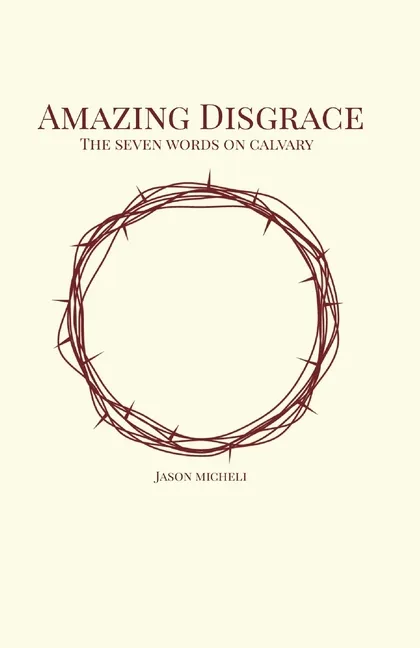
The reticence of the New Testament to explain the mechanics of salvation leaves us with questions: Does Jesus die for us? As in, does Jesus die in our place? As a substitute for you and me? Or does Jesus die because of us? As in, is death on a cross the inevitable conclusion to the way he lived his life? Does Jesus die because our sinful lust for power, wealth and violence kills him? As though our world has no other reaction to a life God desires than to eliminate it? Does Jesus die to destroy Death and Sin? As in, does Jesus let the powers of Sin and Death do their worst so that, in triumphing over them, he shatters their power forever? Does Jesus die with us? As in, does Jesus suffer death as the completion of his incarnation? Is death the last experience left for God to be one of us, in the flesh? Was it necessary for Jesus to die? Or was his incarnation, his taking our nature and living it perfectly, redemptive in itself? Did Jesus have to die on a cross? And how does Easter relate to Good Friday? Such questions are possible, indeed they get asked all the time because the New Testament never singles an answer to how Mary and Joseph's son lives up to his name. For over a century, Christians have recalled the crucifixion of Christ's death on Good Friday by reflecting on Jesus' seven last words from the Cross. In this tradition, for Lenten prayer and reflection, Jason Micheli offers seven homilies connecting these questions and contemporary events to the final words of God's Son from the Cross.
Jason Micheli
Jason Micheli is the author of Cancer is Funny and a United Methodist pastor, blogger, and podcaster. he lives in the Washington, DC, area with his wife and two sons.
More by Jason Micheli


Why Readwise Books?
Readwise Books is an ebook & audiobook platform that automatically logs how much you and your friends read, making it fun and easy to read more. Learn more →