Report an issue
Tell us what's wrong and we'll take a look.
Thanks – we got it. We'll review and follow up if needed.
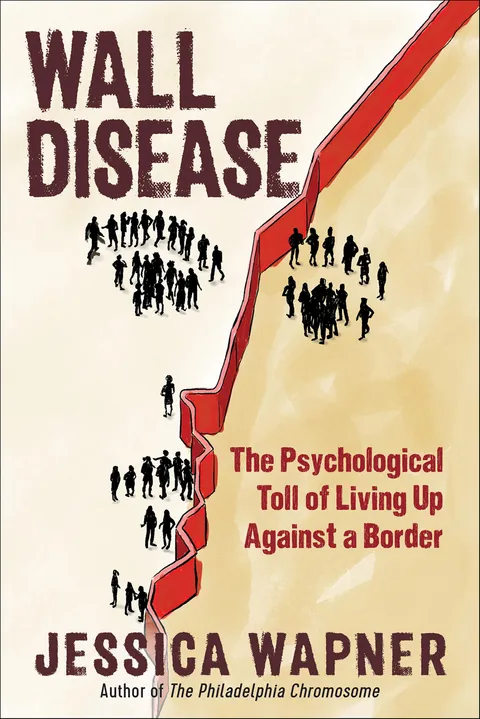
We build border walls to keep danger out. But do we understand the danger posed by walls themselves? East Germans were the first to give the crisis a name: Mauerkrankheit, or "wall disease." The afflicted—everyday citizens living on both sides of the Berlin wall—displayed some combination of depression, anxiety, excitability, suicidal ideation, and paranoia. The Berlin Wall is no more, but today there are at least seventy policed borders like it. What are they doing to our minds? Jessica Wapner investigates, following a trail of psychological harm around the world. In Brownsville, Texas, the hotly contested US-Mexico border wall instills more feelings of fear than of safety. And in eastern Europe, a Georgian grandfather pines for his homeland—cut off from his daughters, his baker, and his bank by the arbitrary path of a razor-wire fence built in 2013. Even in borderlands riven by conflict, the same walls that once offered relief become enduring reminders of trauma and helplessness. Our brains, Wapner writes, devote "border cells" to where we can and cannot go safely—so, a wall that goes up in our town also goes up in our minds. Weaving together interviews with those living up against walls and expert testimonies from geographers, scientists, psychologists, and other specialists, she explores the growing epidemic of wall disease—and illuminates how neither those "outside" nor "inside" are immune.



Why Readwise Books?
Readwise Books is an ebook & audiobook platform that automatically logs how much you and your friends read, making it fun and easy to read more. Learn more →