Report an issue
Tell us what's wrong and we'll take a look.
Thanks – we got it. We'll review and follow up if needed.
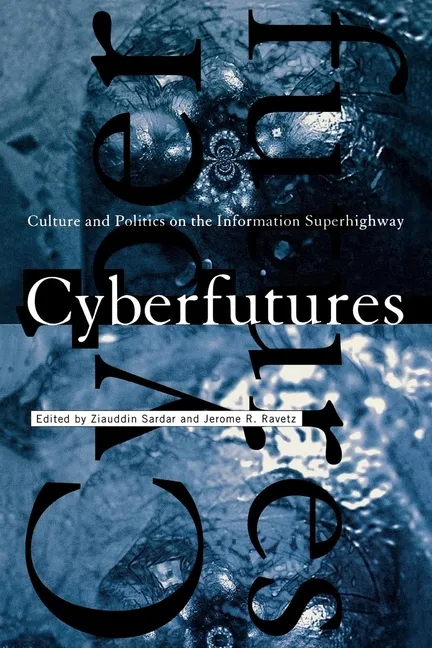
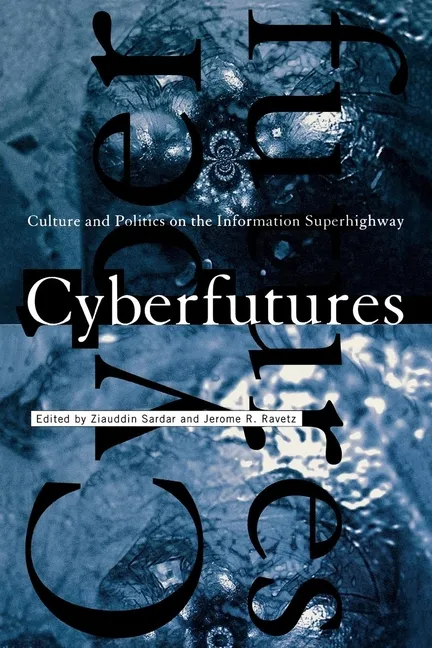
The World Wide Web exploded into public consciousness in 1995, a year which saw the coming of age of the Internet. People are communicating, working, shopping, learning, and entertaining themselves, as well as satisfying carnal desires and even finding God through the simple act of connecting their computers to the wide universe of cyberspace.
We are assured, at the same time, that this progress will have profound effects on work, culture, leisure--everything, including the ways in which we interact with each other. Yet just what these effects will be, how power will be distributed, and what recourse will be available to those adversely affected by the new technologies, are issues that have yet to be negotiated. Aside from the occasional panic over cyber-porn, few have considered the wide-ranging effects of our increasing reliance on interactive technologies.
Cyberfutures offers a close examination of issues that will become increasingly important as computers, networks, and technologies occupy crucial roles in our everyday lives. Comprised of essays from a range of occupational and disciplinary perspectives, including those of Vivian Sobchack and Arturo Escobar, this volume makes essential reading for students in cultural and media studies, anthropology, as well as for citizens interested in considering the larger implications of the Information Superhighway.
Jerome R Ravetz
Jerome R. Ravetz is an environmental consultant and academic. He is best known for his books challenging the assumptions of scientific objectivity, discussing the science wars and post-normal science. Ravetz is an Associate Fellow at the SaId Business School, University of Oxford.


Why Readwise Books?
Readwise Books is an ebook & audiobook platform that automatically logs how much you and your friends read, making it fun and easy to read more. Learn more →